What Is Cardology? Find Your Birth Card from Your Birthday
What is Cardology?
Cardology maps your birthday to one card in a standard 52-card playing deck. Same date, same card, every time. That card is a mirror for personality, compatibility, and timing — not cardiology, not tarot, and not a forecast.
The free calculator on this page returns the card. The longer split with tarot is Cardology vs tarot. A guided path is Cardology for beginners.
Free first: reveal your birth card below. Optional next: the $13 One Question Reading — one decision, read from your card and your year, written within about a minute.
By Cassidy Rice · Updated September 22, 2026 · Editorial policy
What is my birth card in Cardology?
Enter any birthday below. The free calculator returns the playing-card birth card and ruling card for the Cardology system.
Your free Cardology reading
The result above is a free Cardology reading, not only a calculator answer. Open the returned birth card to read its personality pattern, love and relationship style, money and work themes, advice, shadow, and exact birth dates. The planetary ruling card adds a second layer for how the core pattern expresses. Nothing is randomly drawn, and no email is required.
For the complete deck, browse all 52 Cardology card meanings. Optional next step: the $13 One Question Reading (your card, this year's cards, and the card you owe, read against the one question you bring).
After your free card
The One Question Reading is $13 once: one question, read from your card and the year you are in, written for you within about a minute. No subscription.
Ask one question — $13Cardology maps your birthday to a single playing card — your birth card — and uses the 52-card deck as a language for personality, timing, and relationships. The part that separates it from a horoscope app or a shuffled tarot draw: it is deterministic. A fixed formula, not a mood ring. If you want a guided path, read Cardology for beginners. For the short definition of what is a birth card, see birth card meanings.
How does Cardology work?
A standard deck has 52 cards; the calendar has 52 weeks. Cardology links the two by a fixed rule. December 31 is the Joker boundary, while the leap day, February 29, maps normally to the 9 of Clubs. Your birth card is the lifelong significator. Suit names the life domain; rank names the movement inside that domain. Optional layers add a planetary ruling card, yearly periods, daily cards, and two-person compatibility.
- 52 cards — the 52 weeks of the year.
- 4 suits — the four seasons.
- 13 ranks — the 13 weeks in each season.
- 12 court cards — the 12 months.
- 364 + the Joker — 13 × 28 days, plus the leftover day of a 365-day year.
Because the map keys on month and day alone, no birth time is needed — the part of an astrology chart most people cannot supply. Longer layouts built on the same deck — the Life Spread, and the yearly spread published as the Book of Destiny — extend the reading into cycles.
Full calculation detail — including a worked birthday example — is on the methodology page. The deck-to-year mapping behind it is laid out in the Cardology calendar.
What are the benefits of Cardology?
- Checkable math. Two people can verify the same birthday produces the same card — rare among personality systems.
- Shared vocabulary. Suits and ranks give precise language for friction, attraction, overreach, and gift without blaming character.
- Relationship maps. Comparing two birth cards surfaces dynamics you can test against real partnerships and teams.
- Timing as chapter, not prophecy. Period and daily cards describe focus and pressure — useful for reflection, not event guarantees.
The four suits
- ♥ Hearts — relationships & emotion
- ♦ Diamonds — values & resources
- ♣ Clubs — mind & communication
- ♠ Spades — work, will & transformation
Cardology card meanings: all 52 cards
Every card in the deck has its own Cardology card meaning page: the drawn-card reading, the birth-card personality, love, money, shadow, and the exact birth dates that carry it. Pick a card to open its full meaning.
The whole deck on one screen
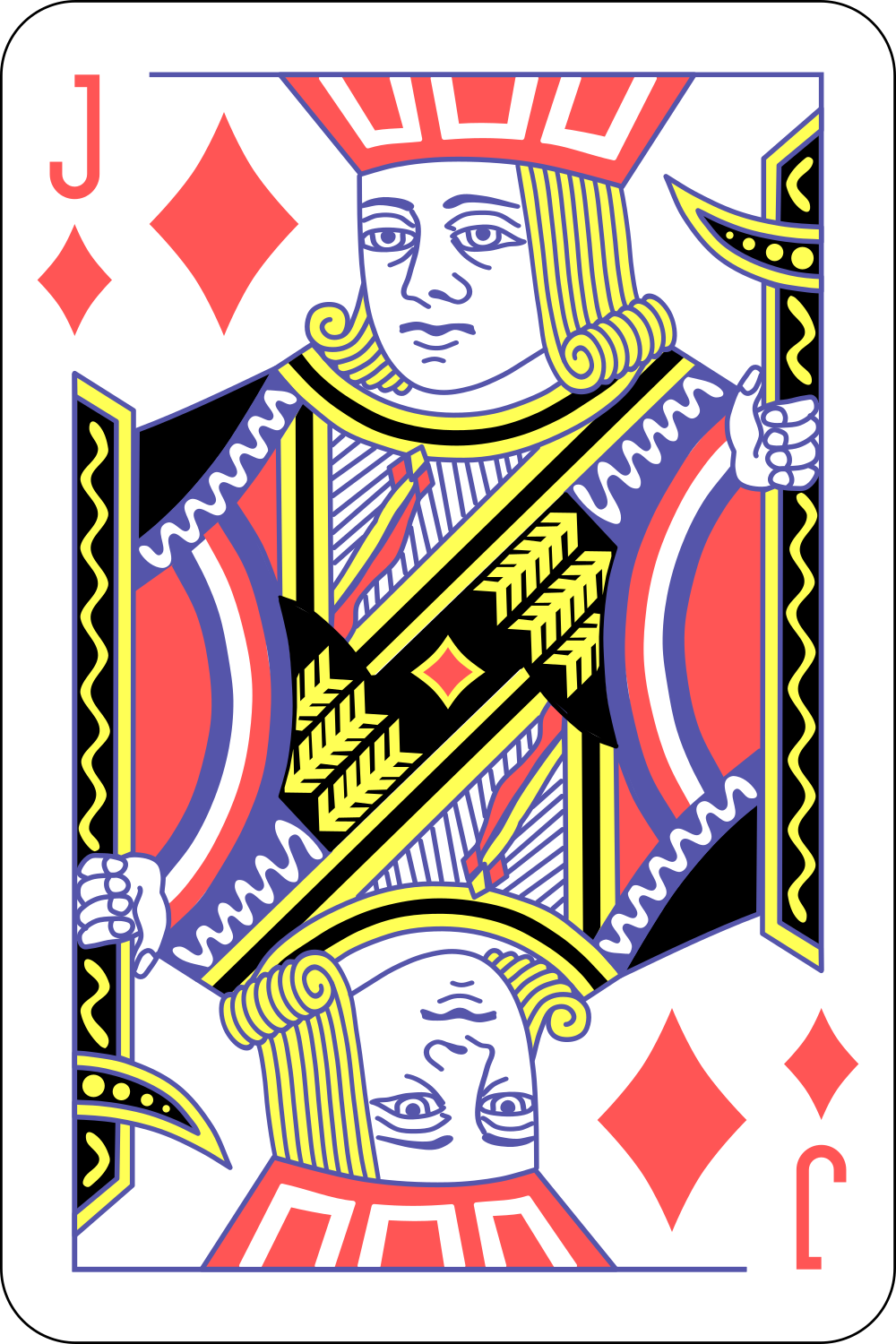
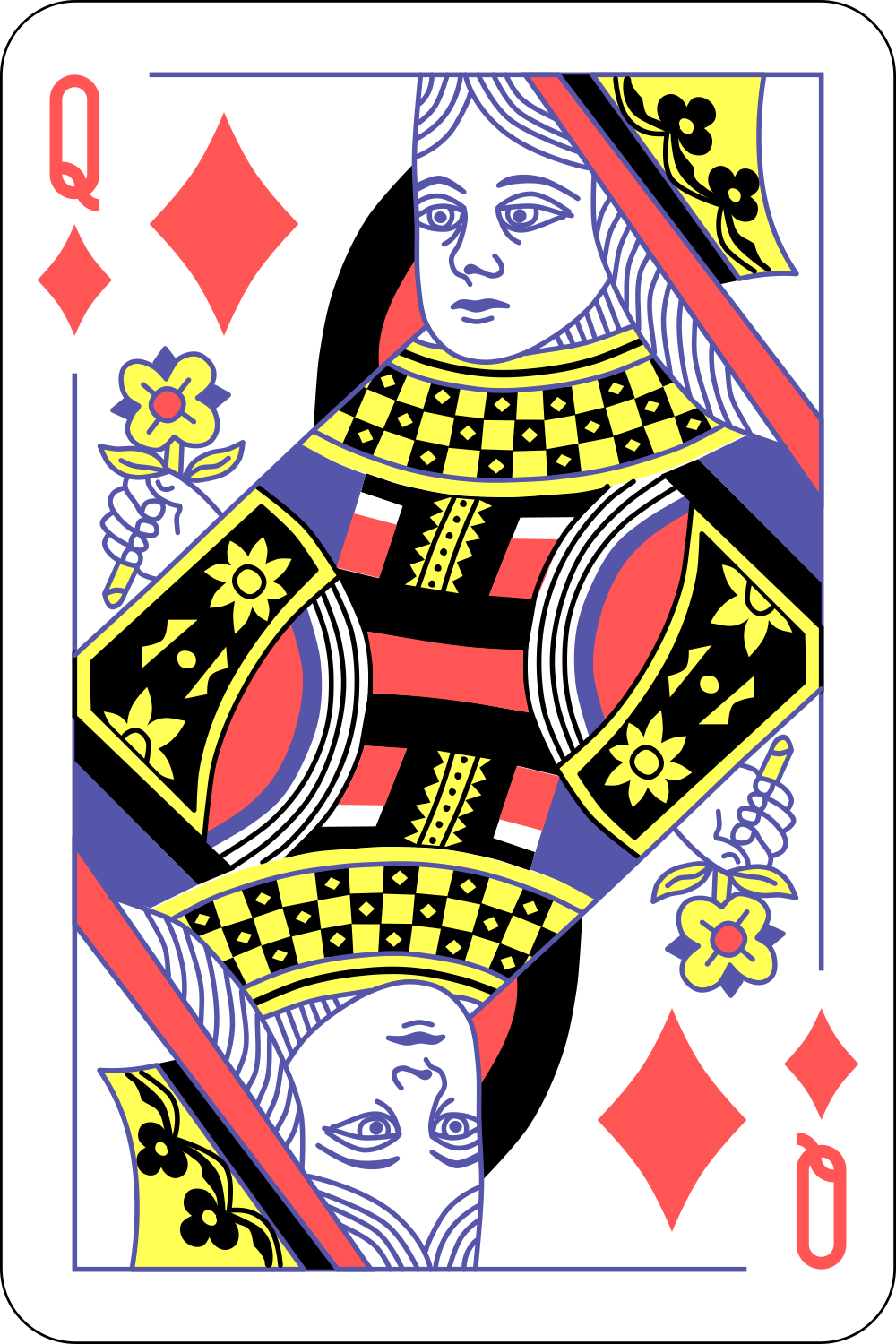
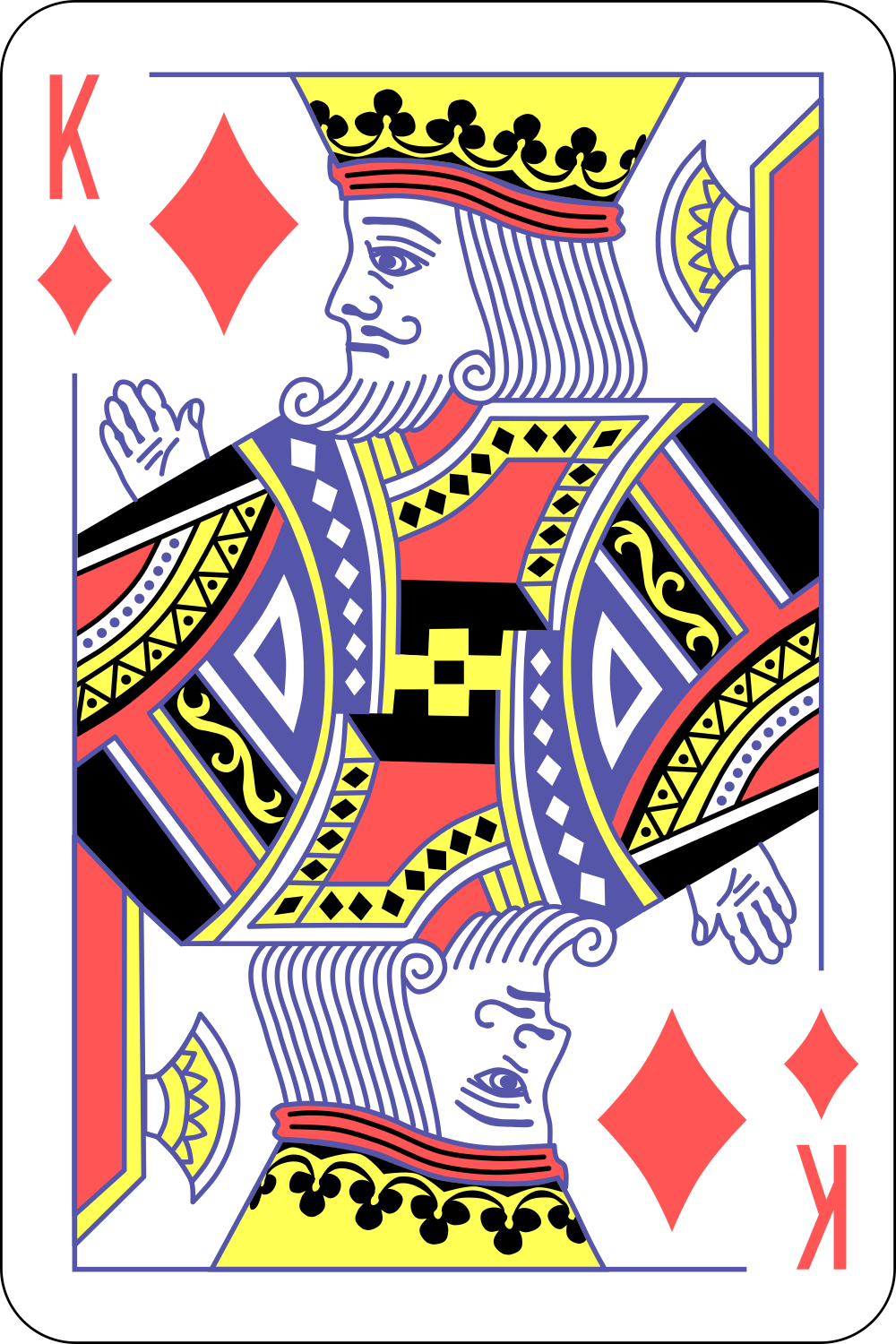
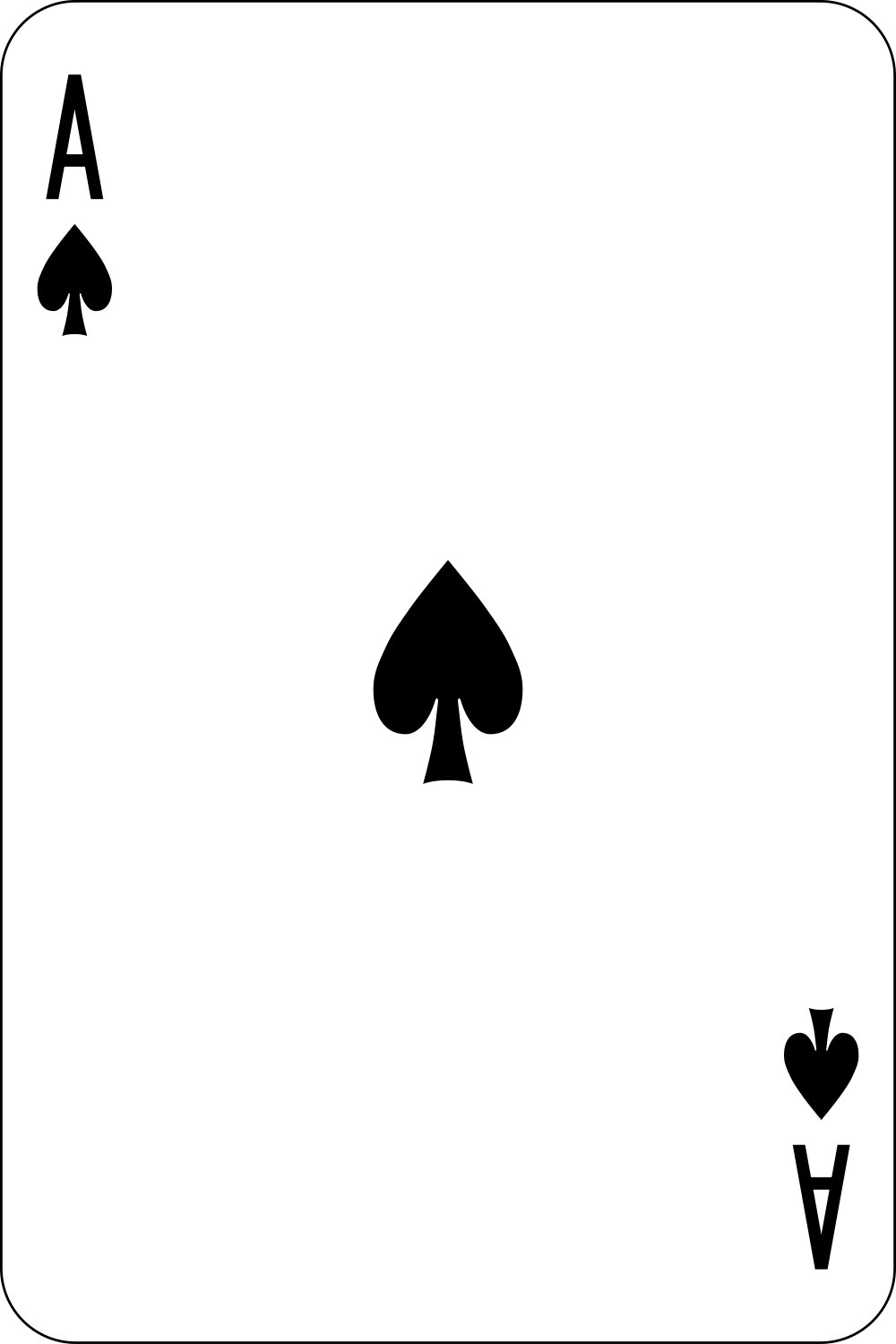
Rows are suits, columns are ranks. Every birthday resolves to one intersection. (December 31 stands apart as the Joker.)
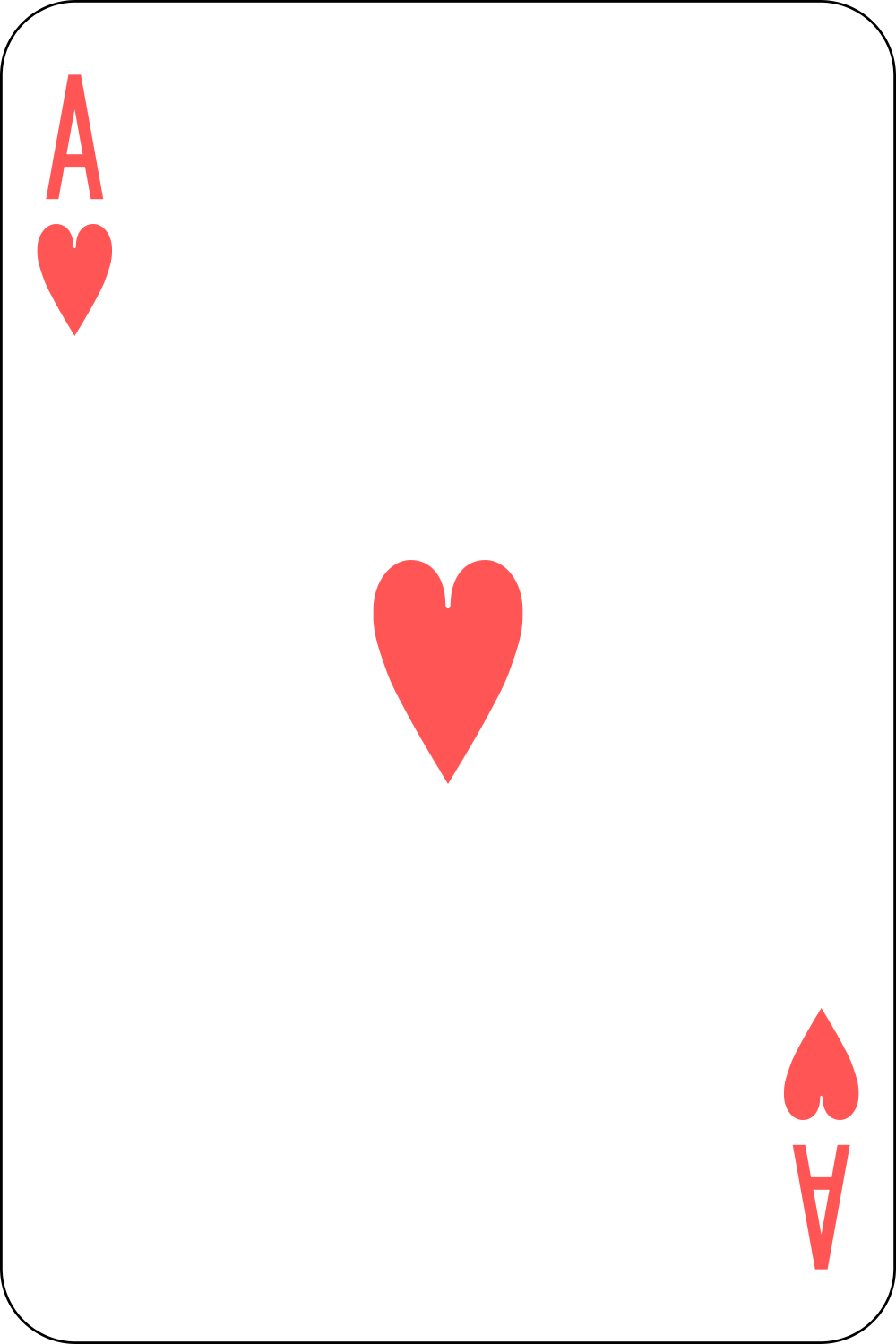
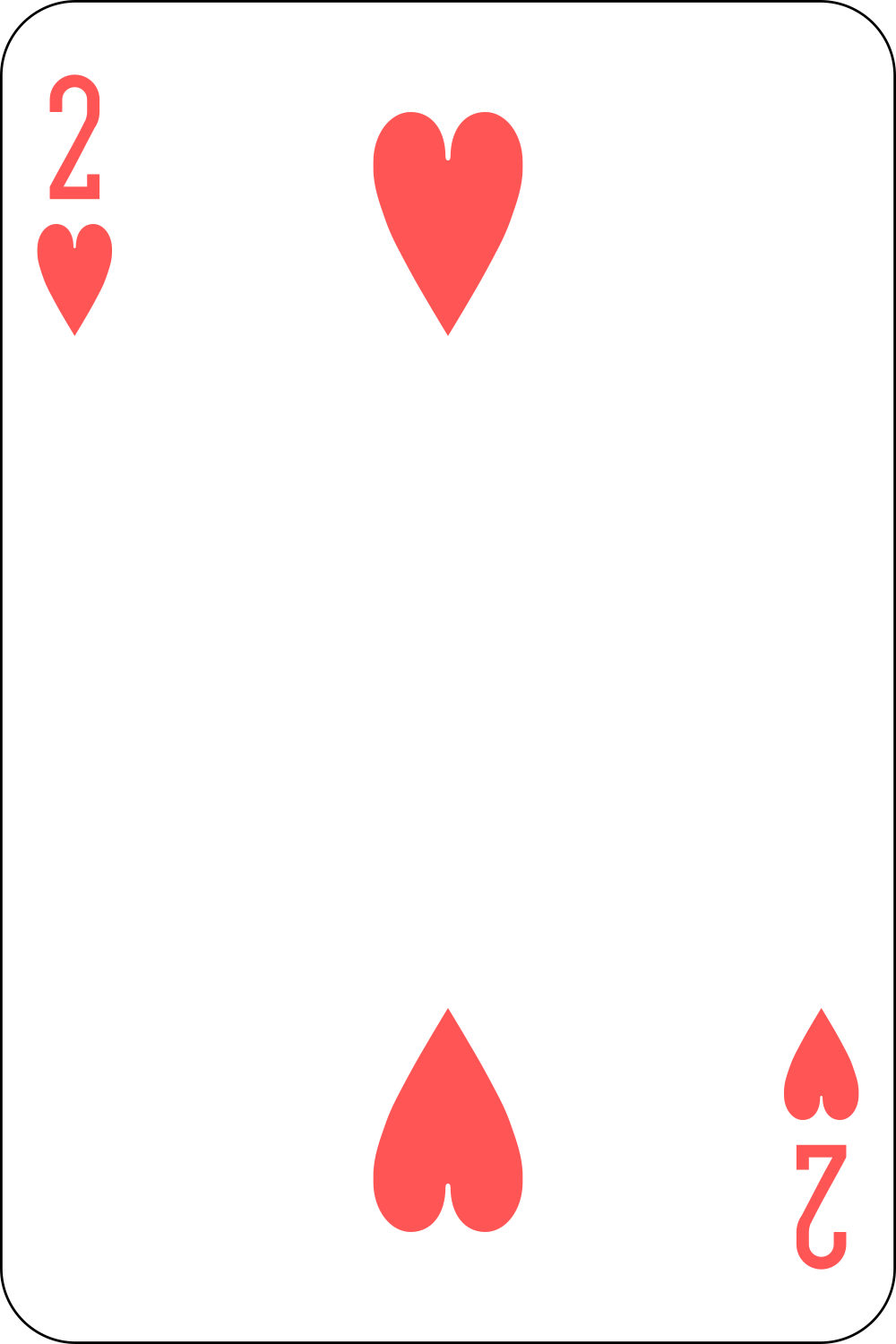
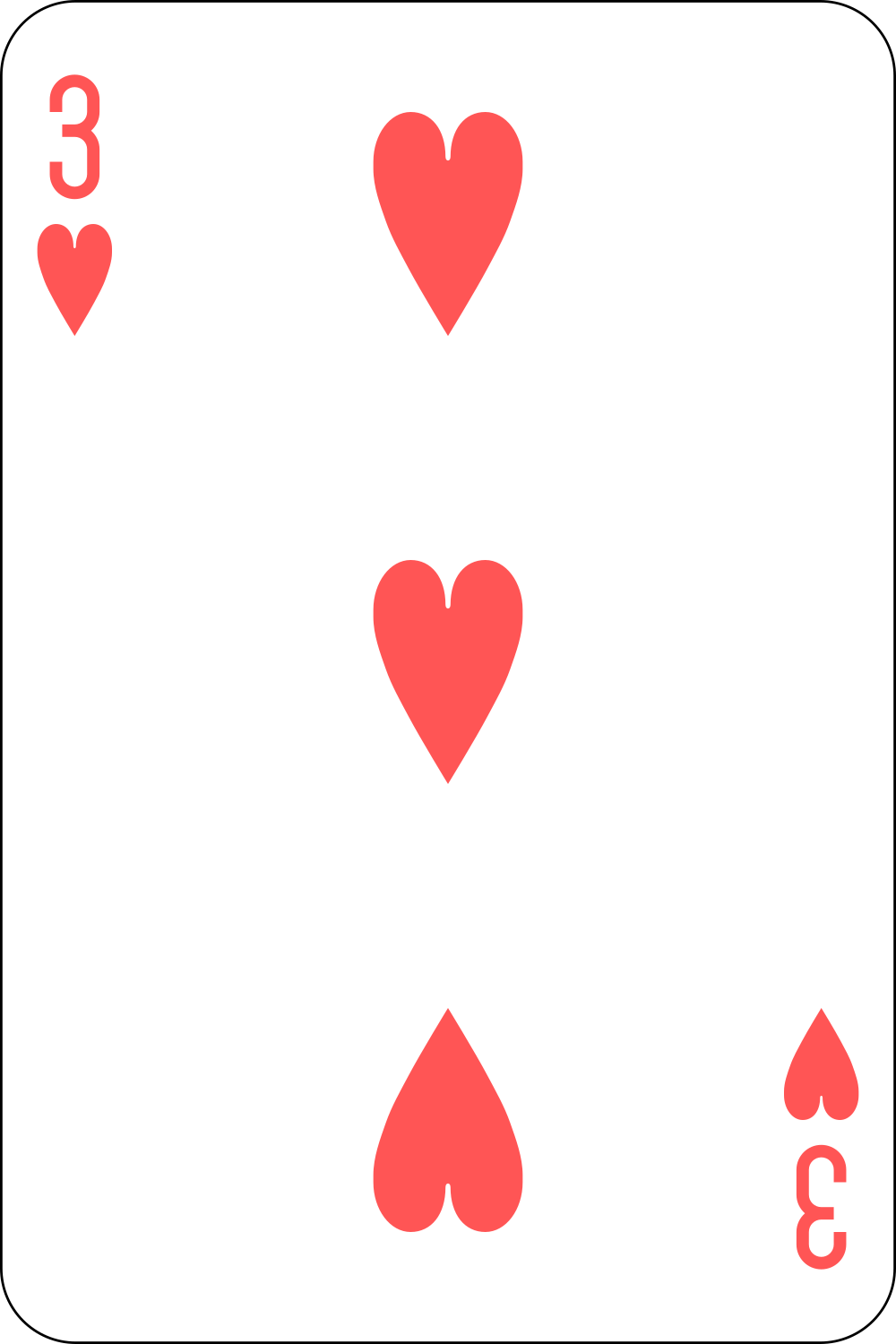
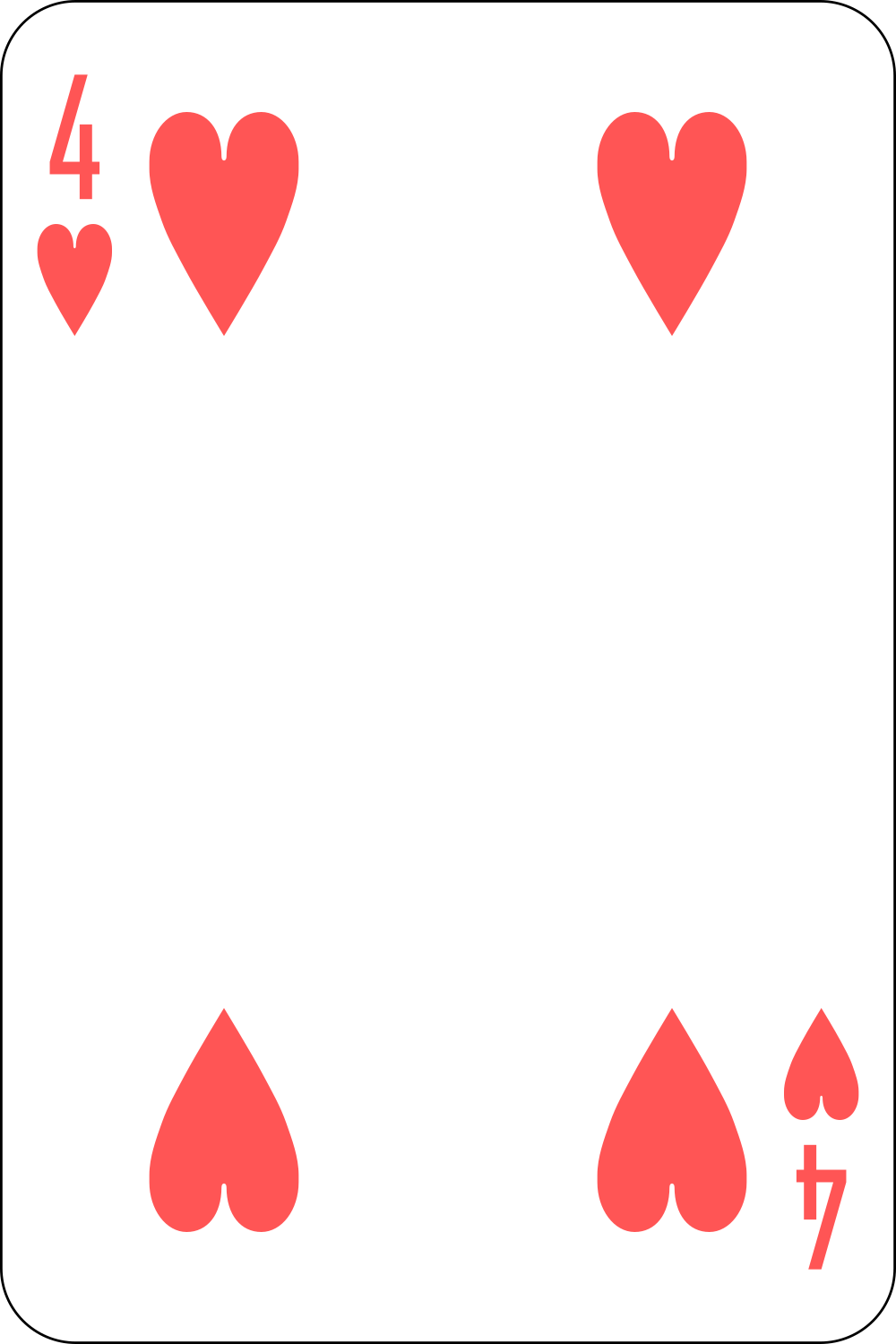
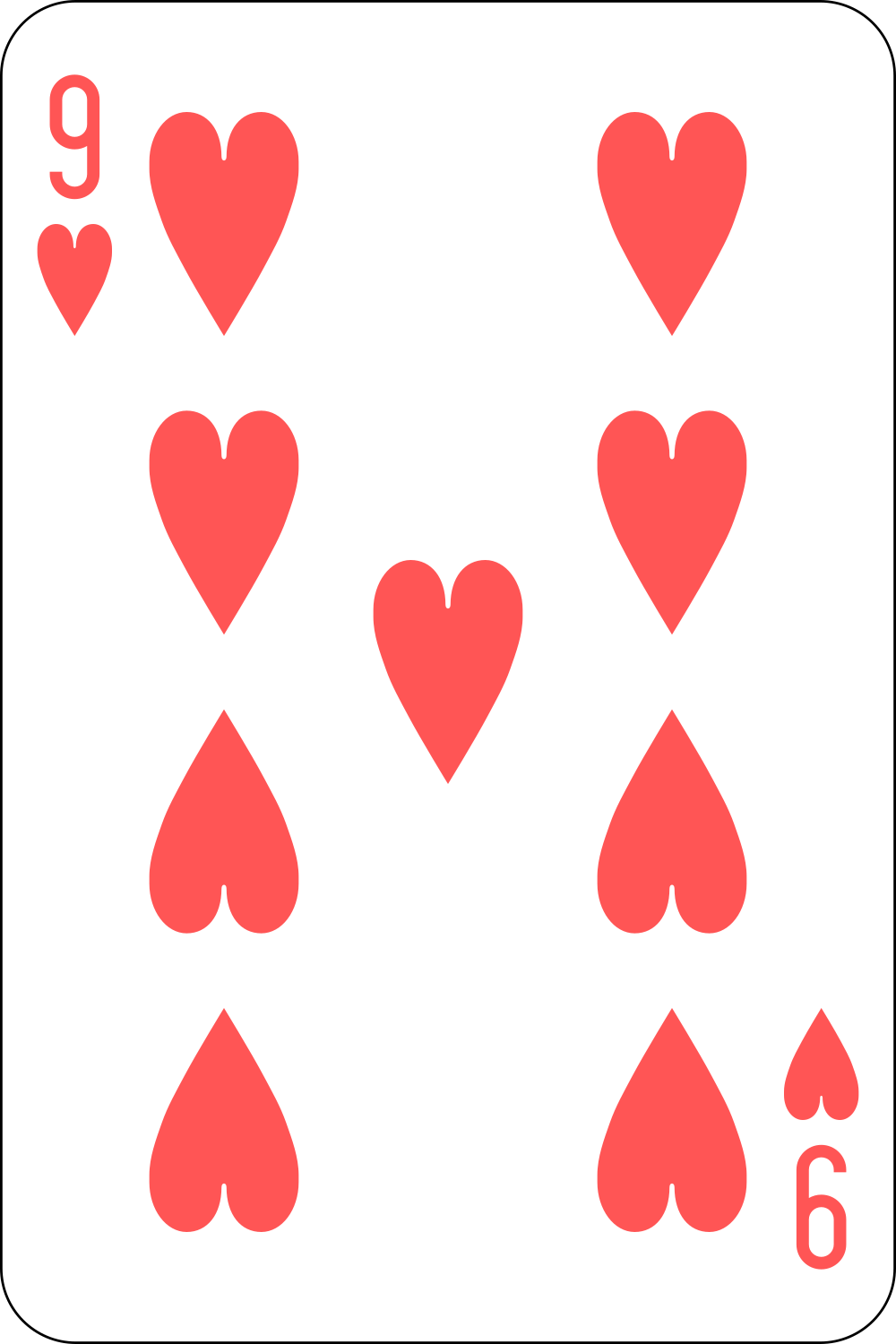
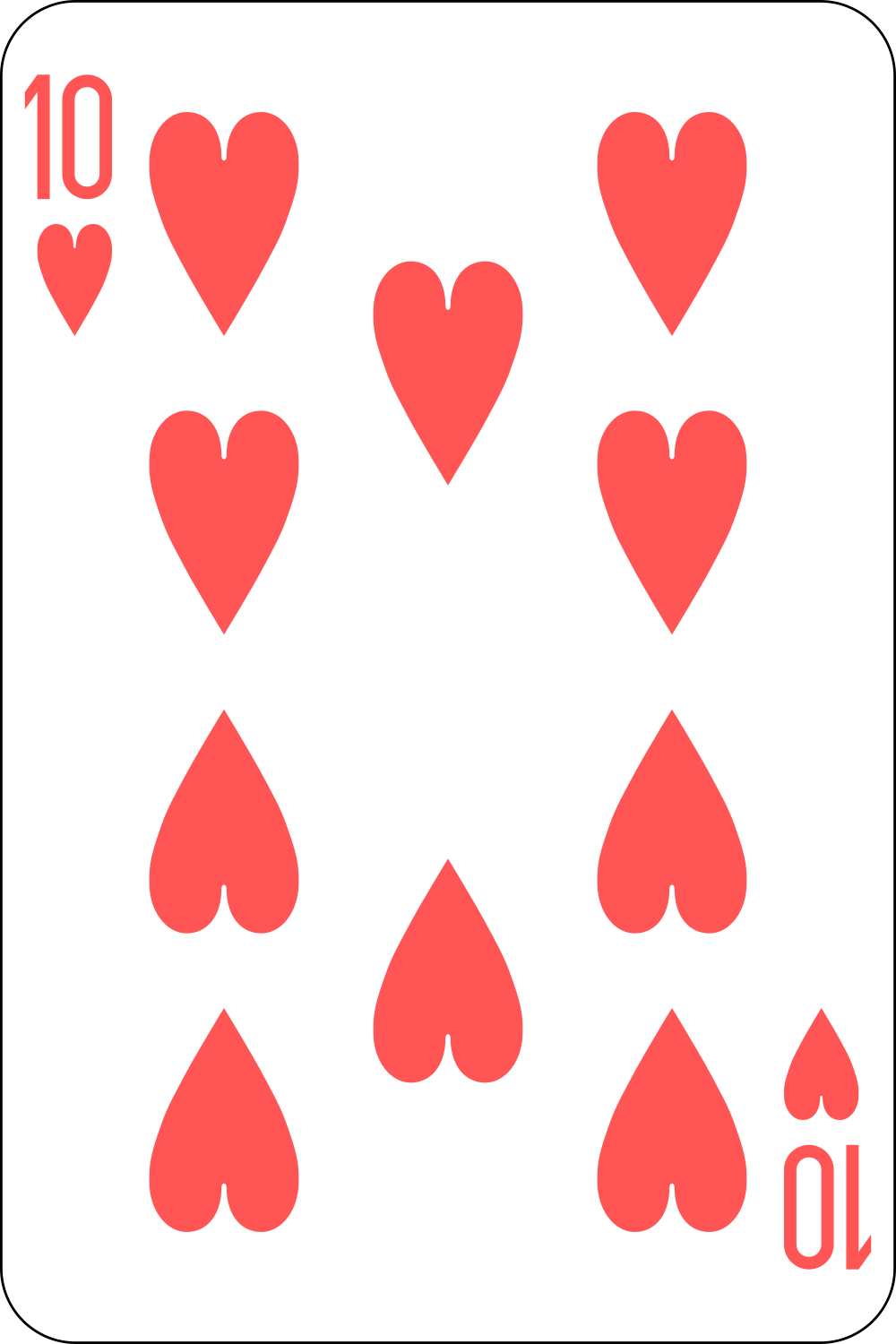
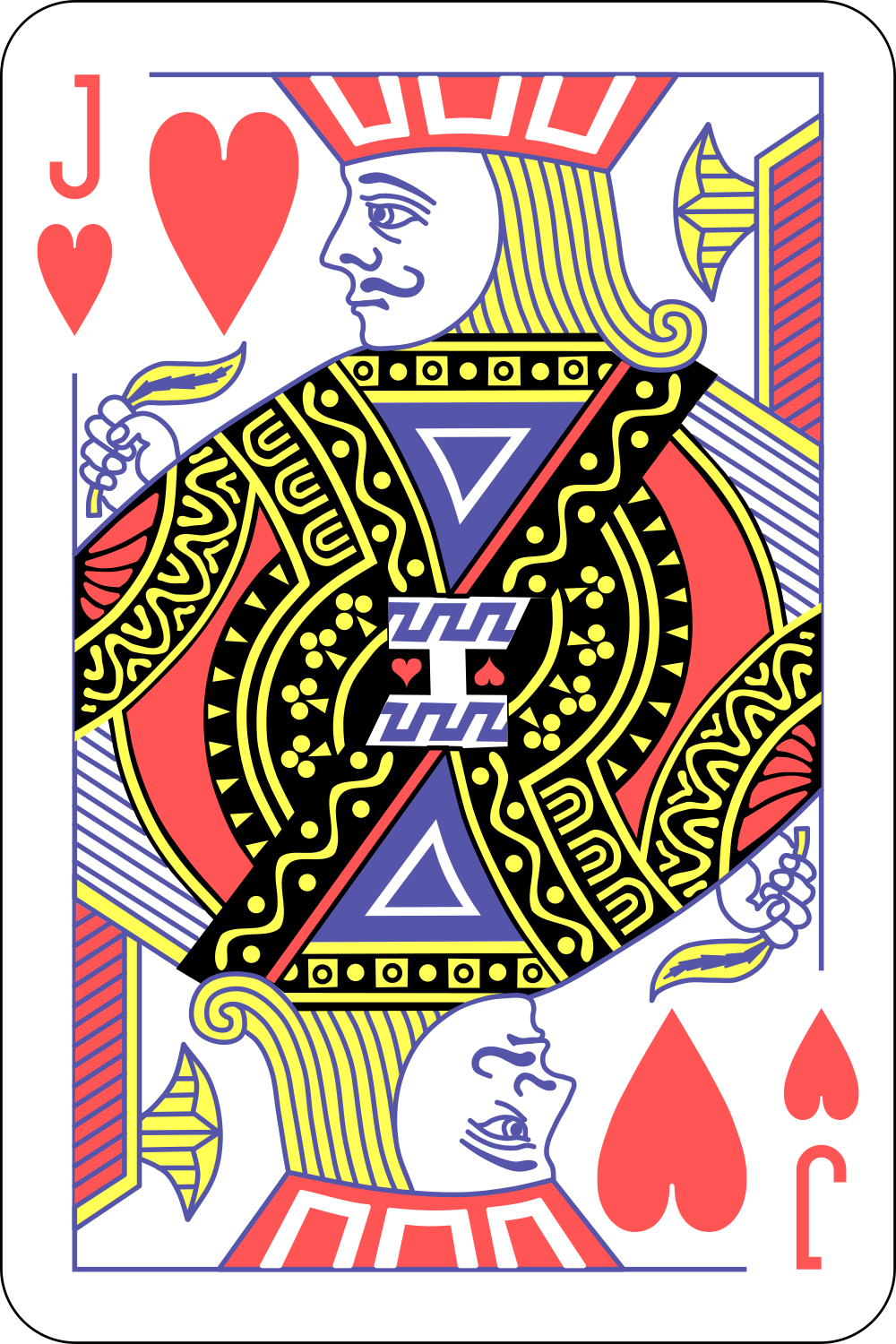
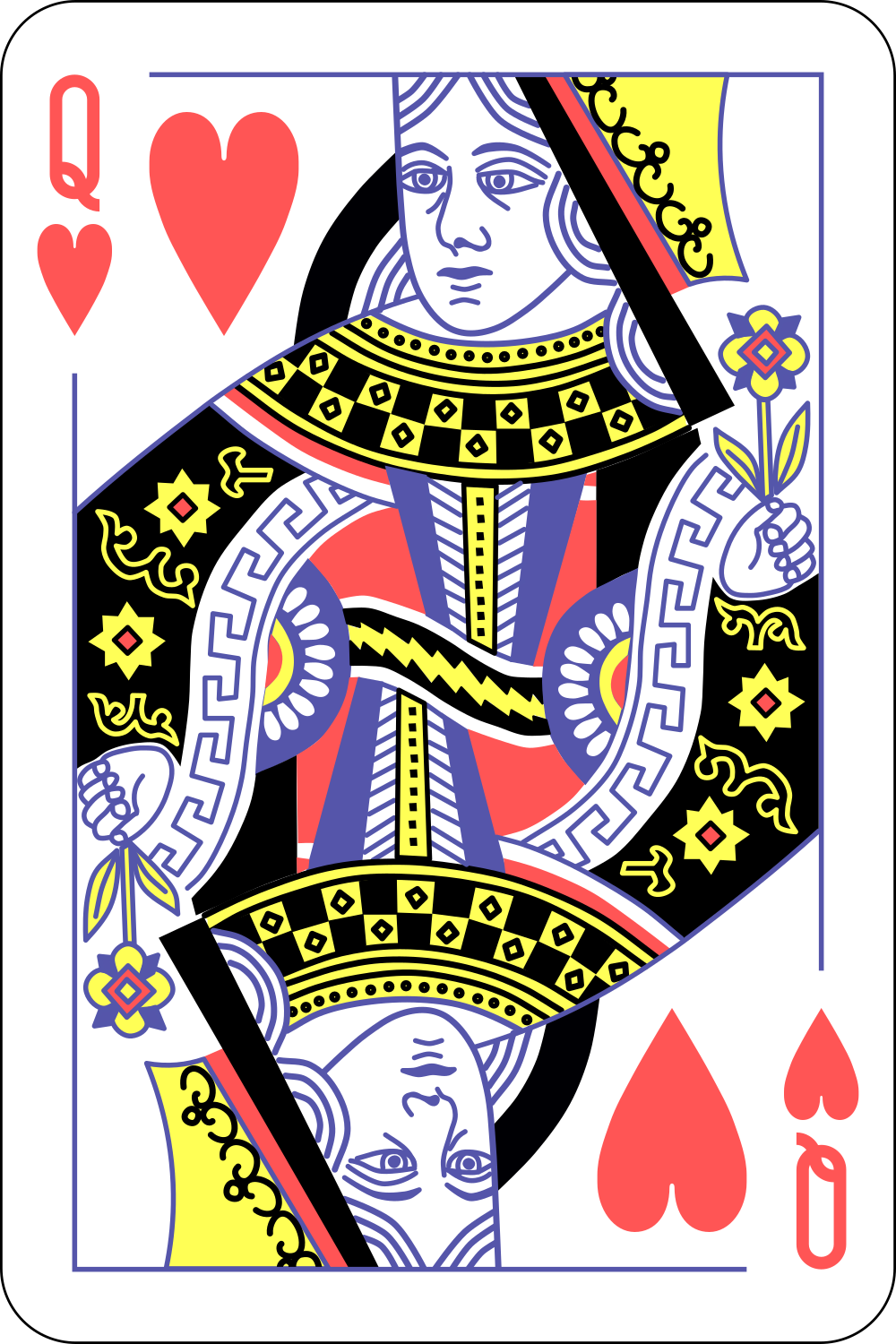
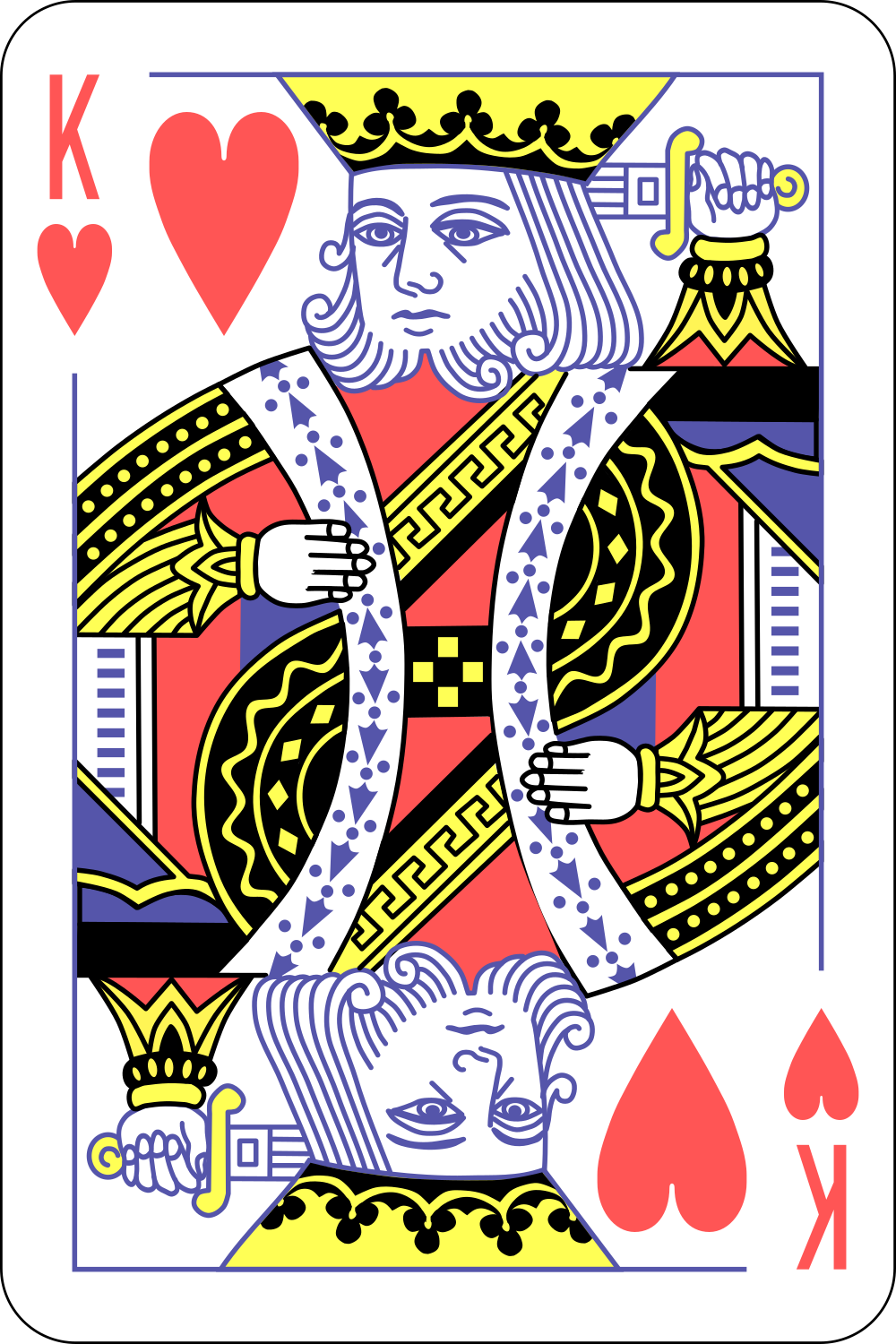
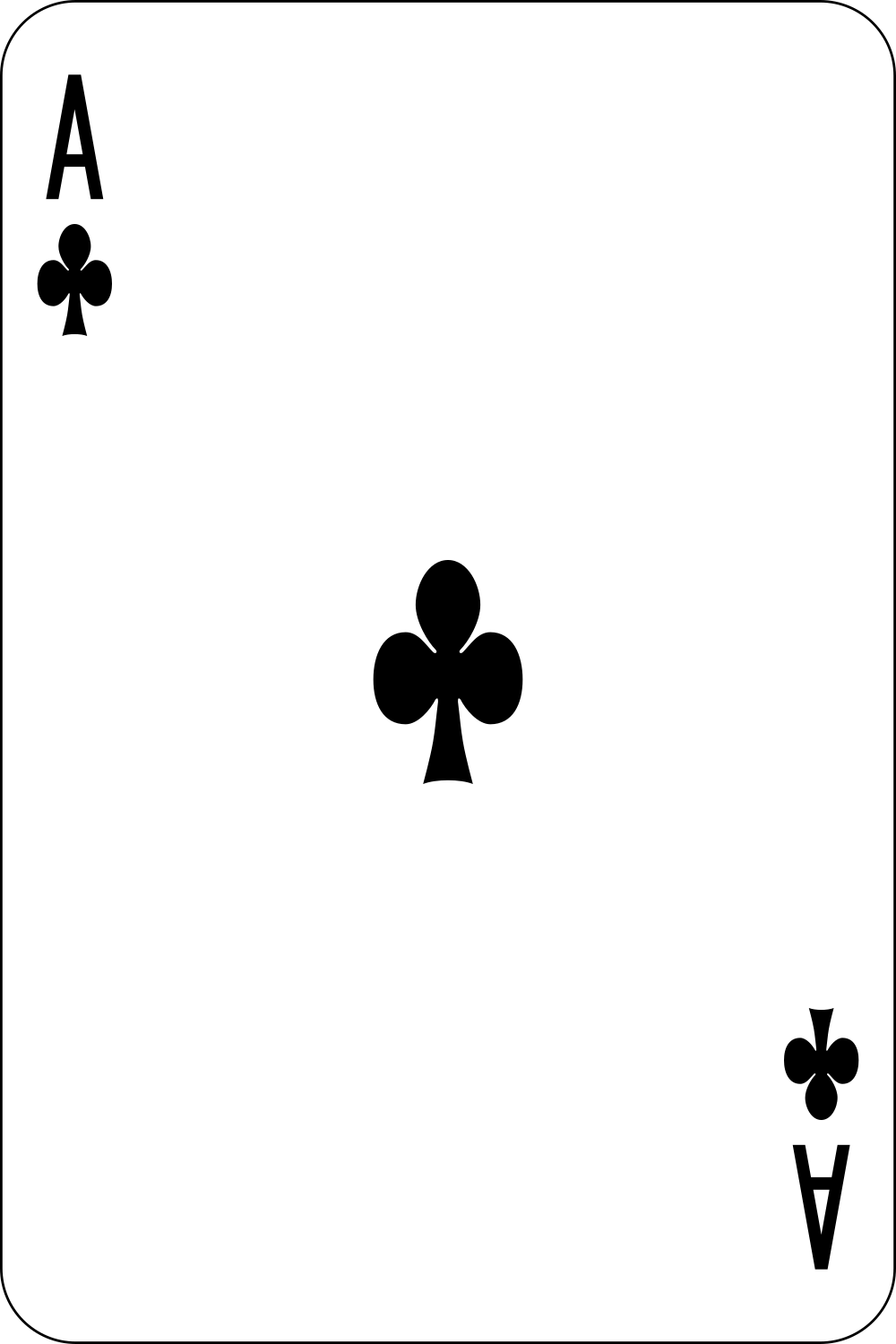
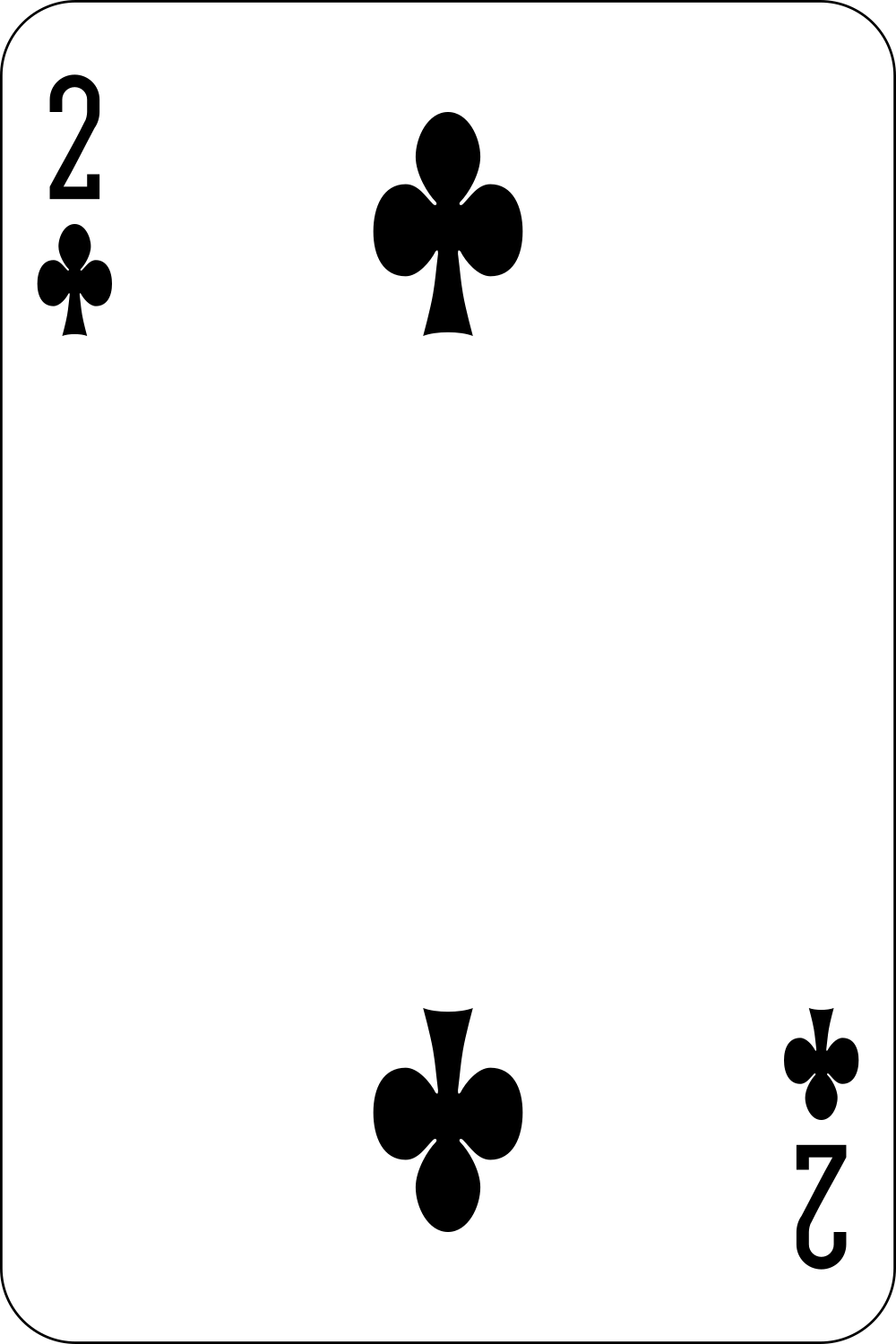
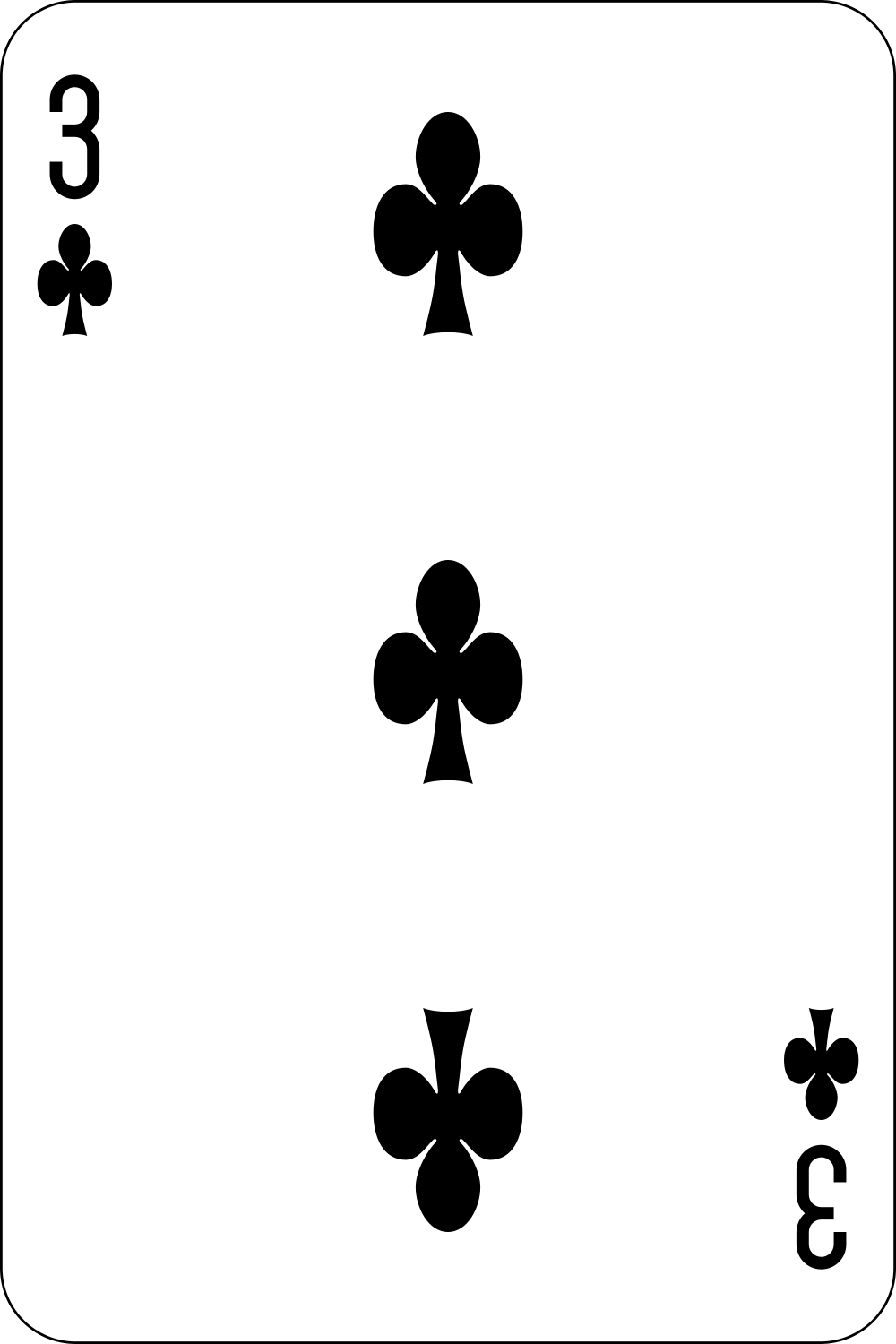
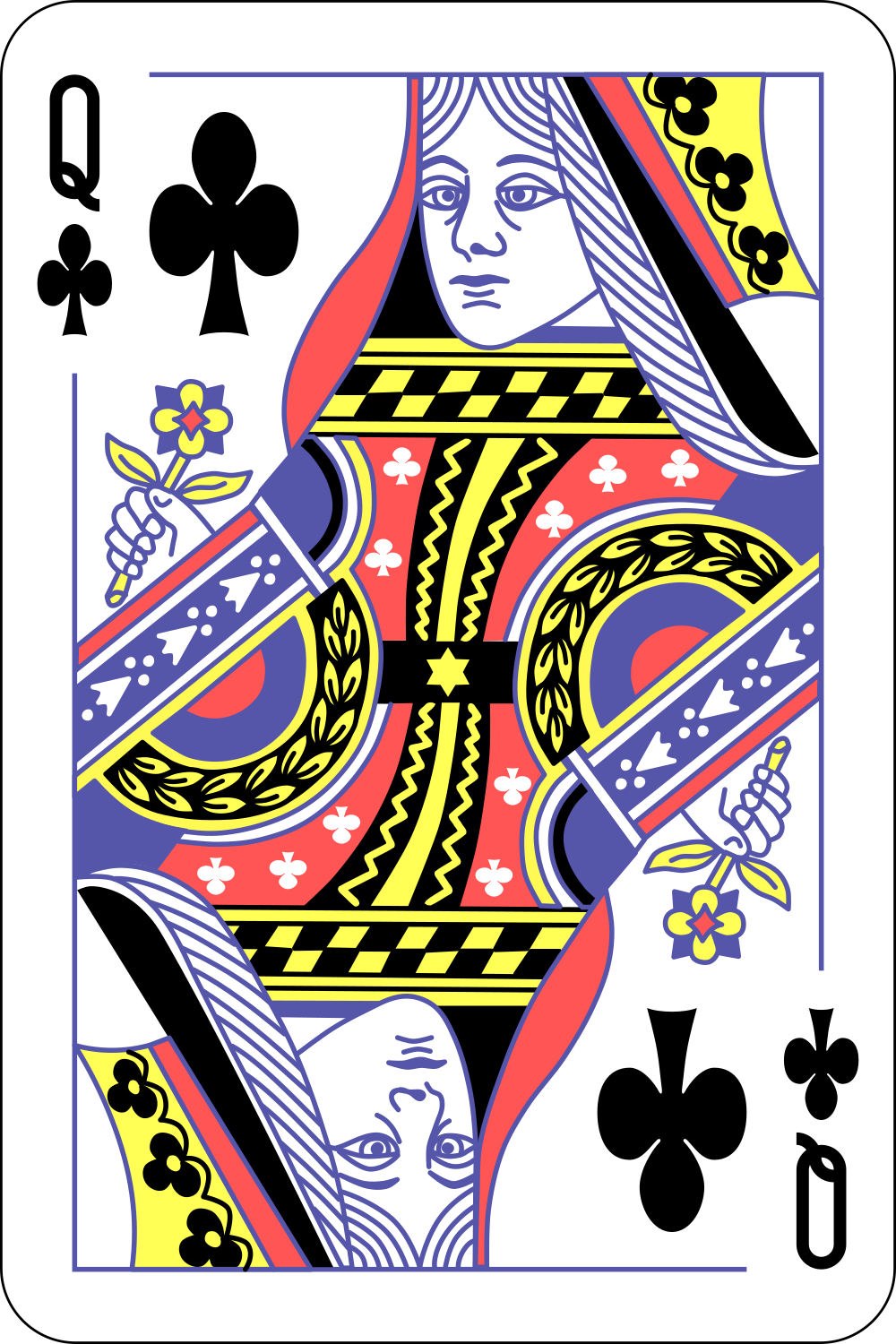
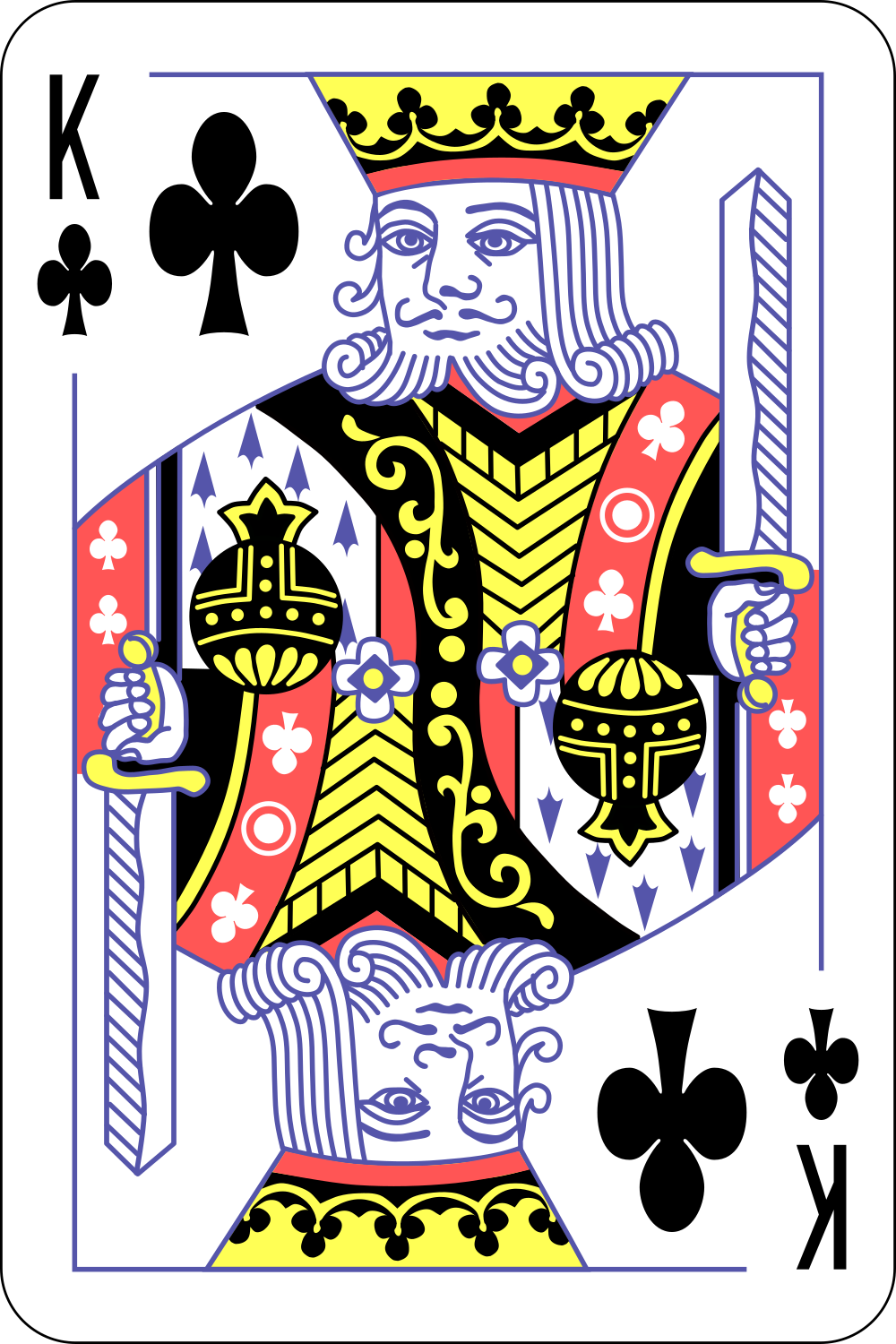
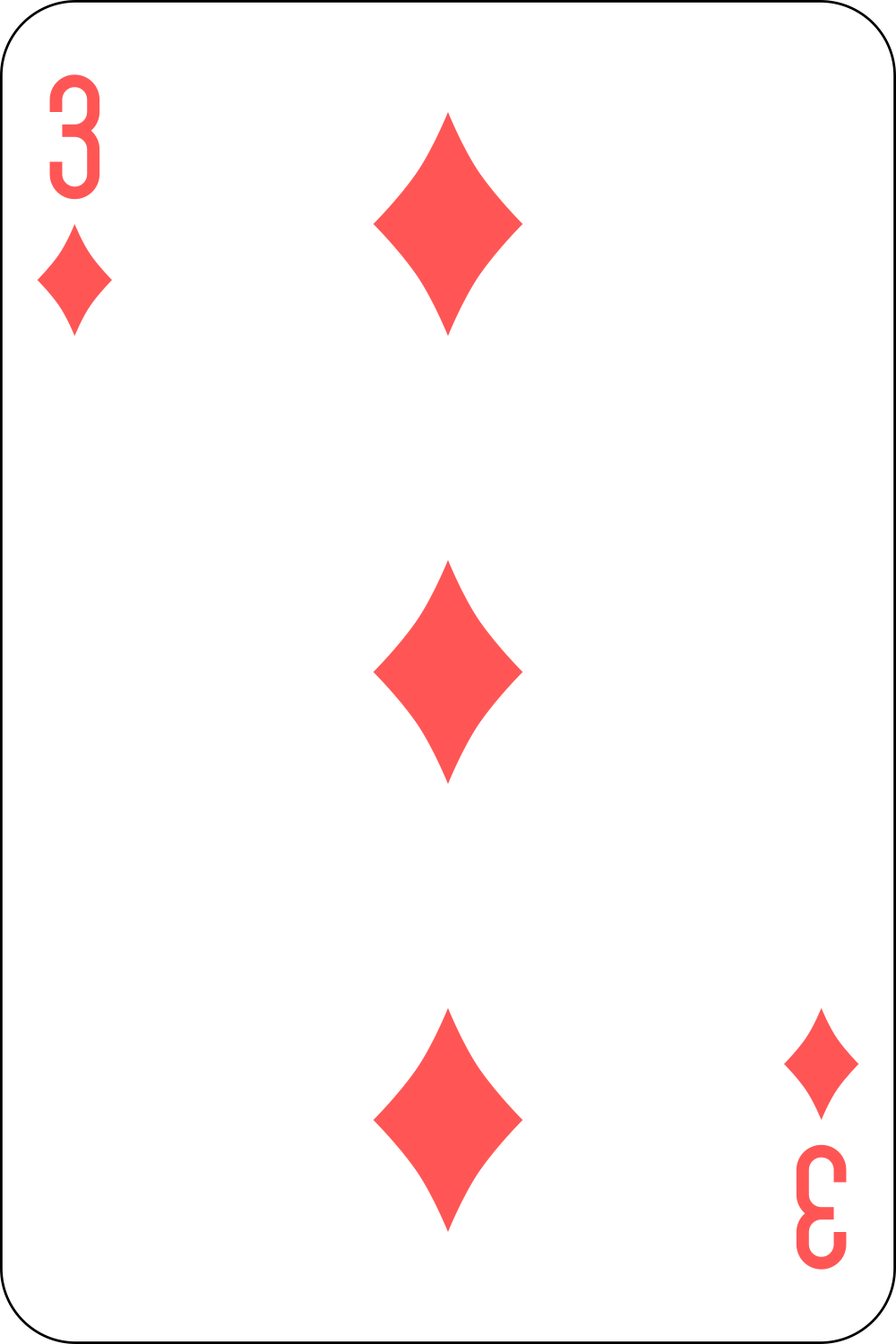
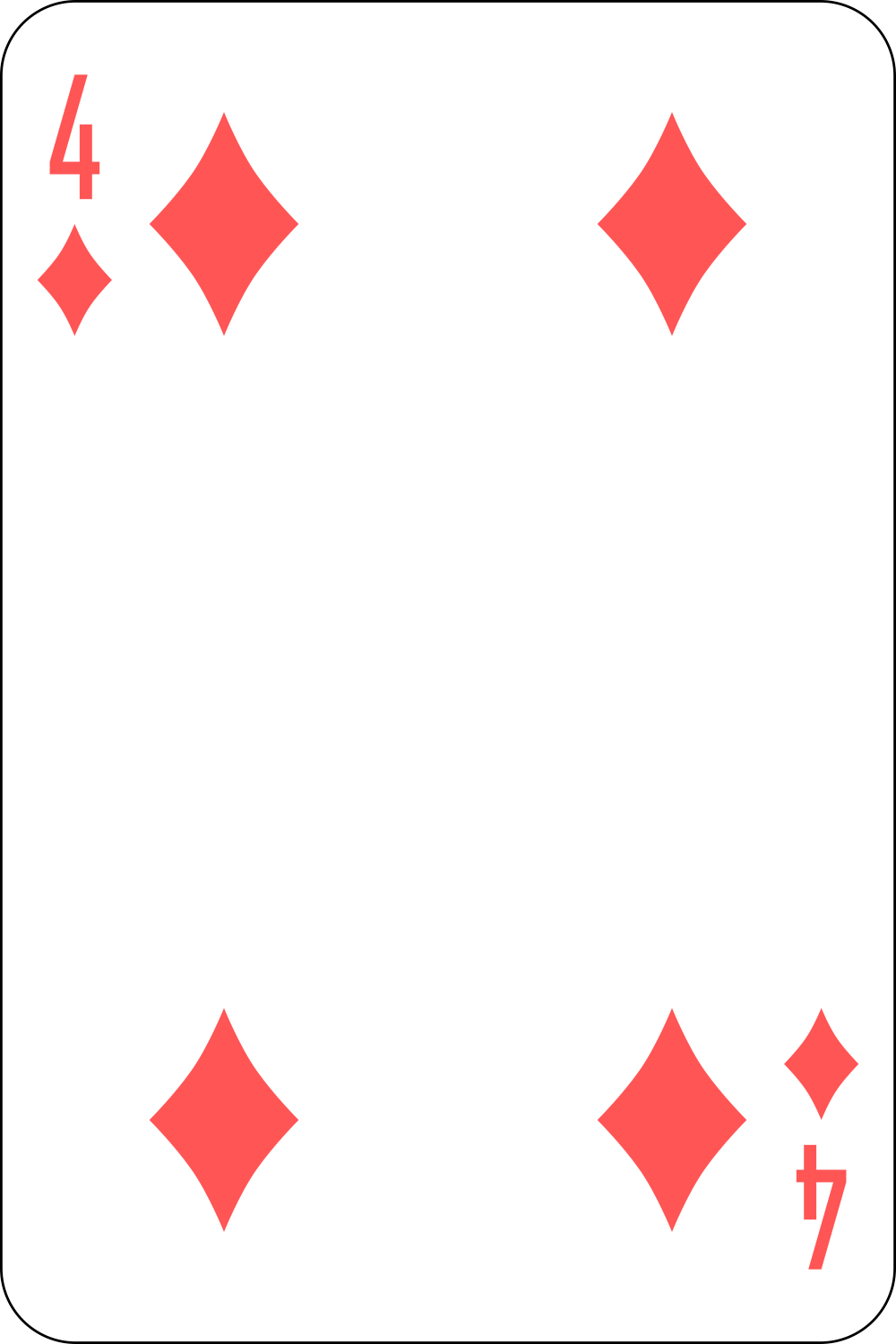
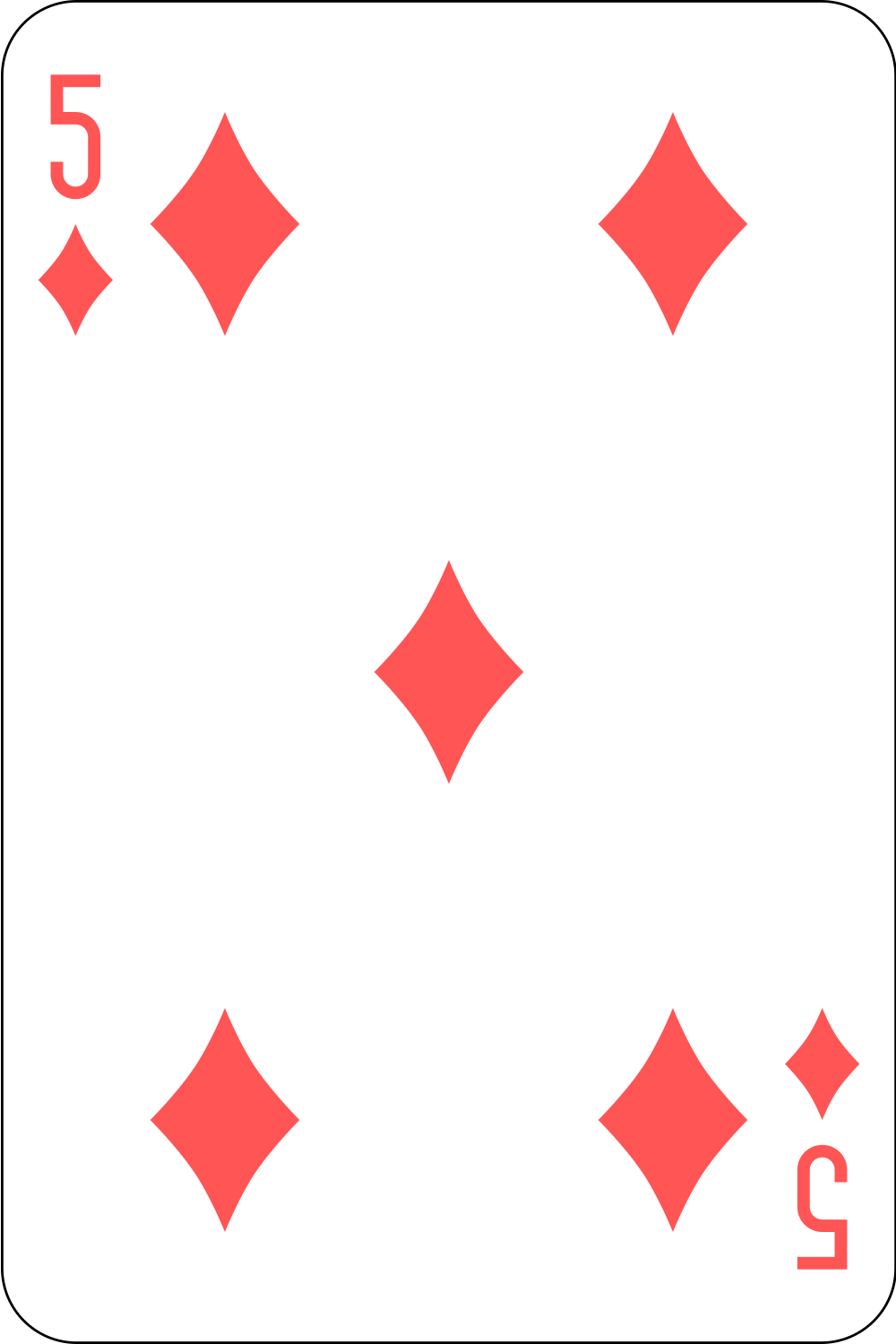
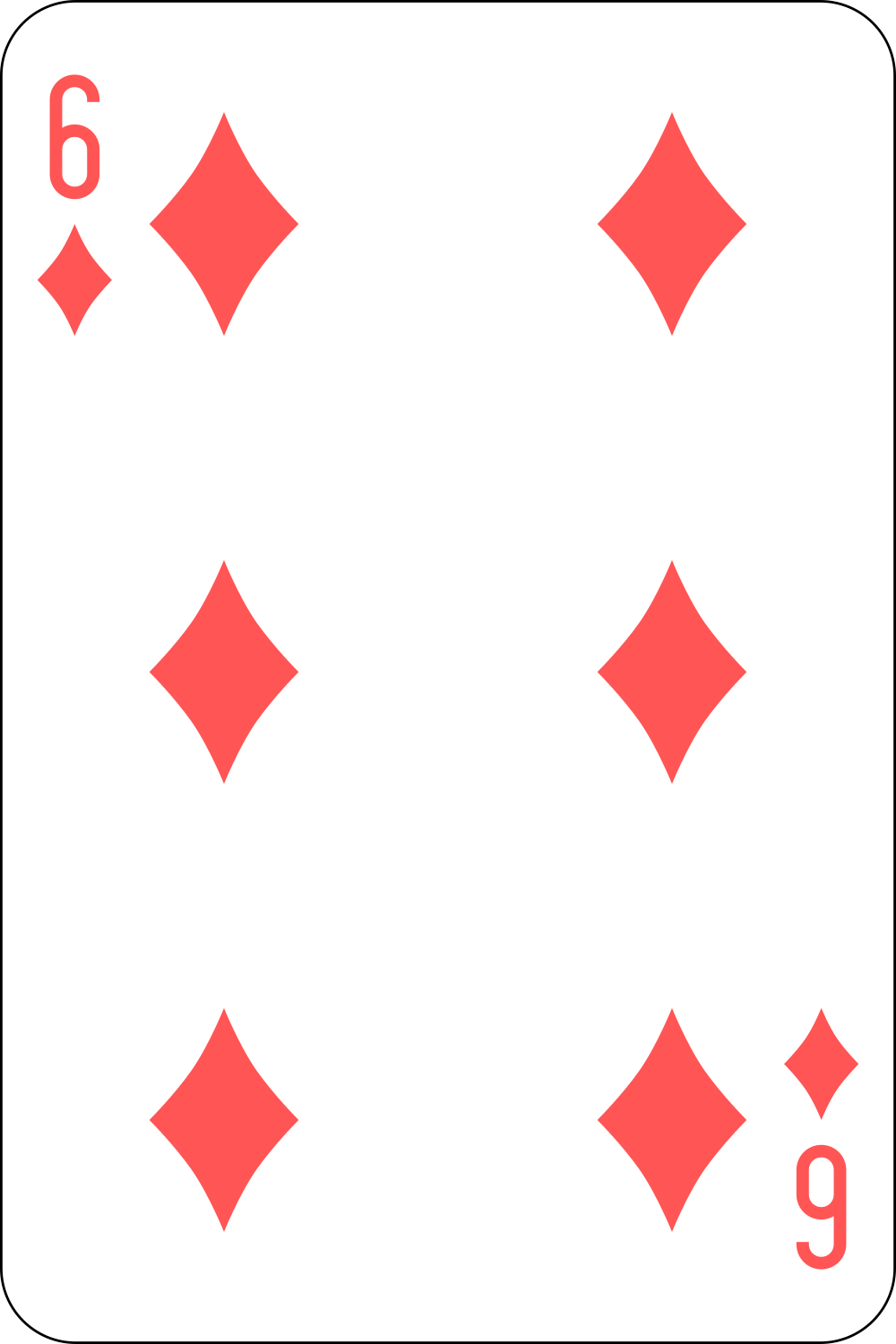
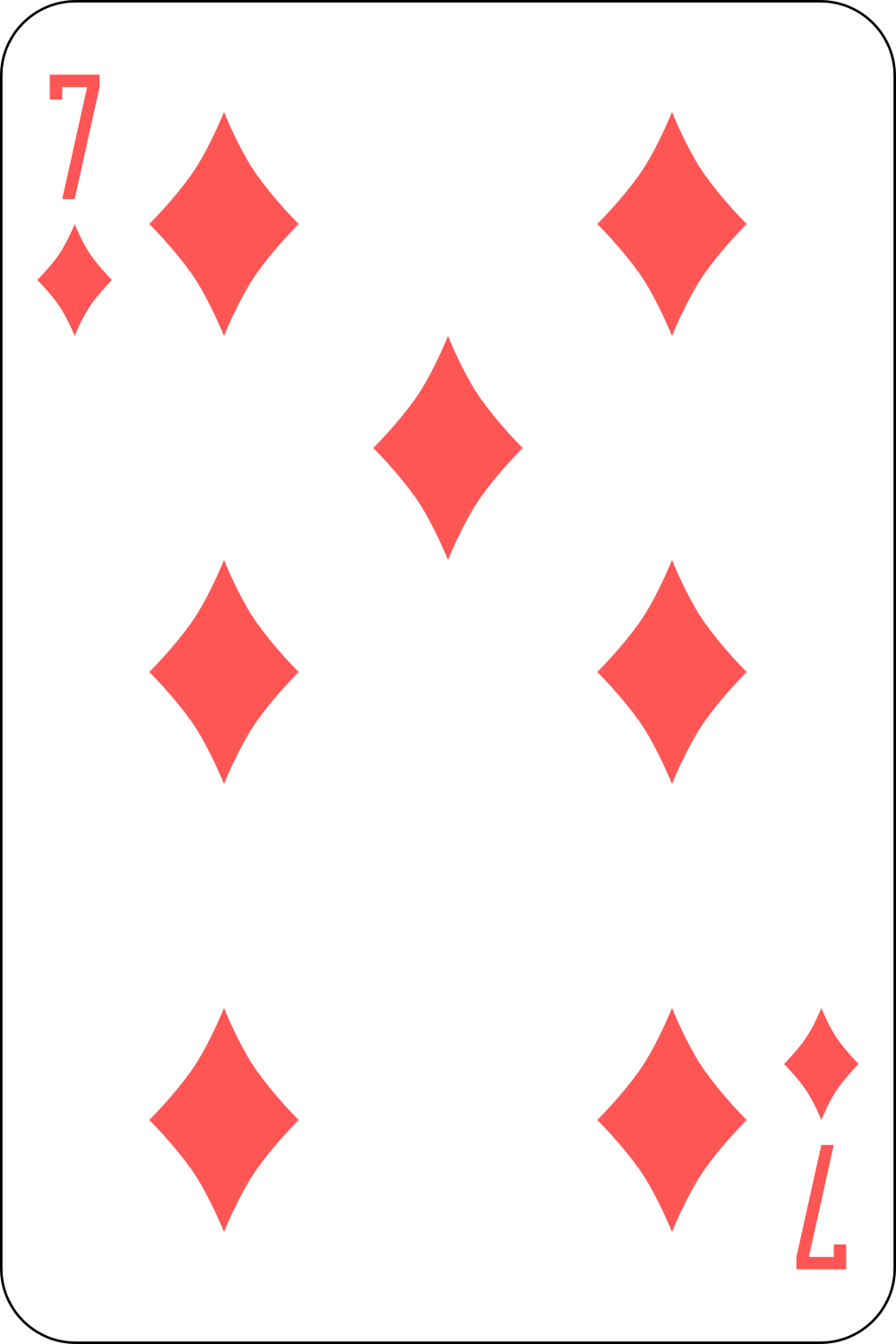
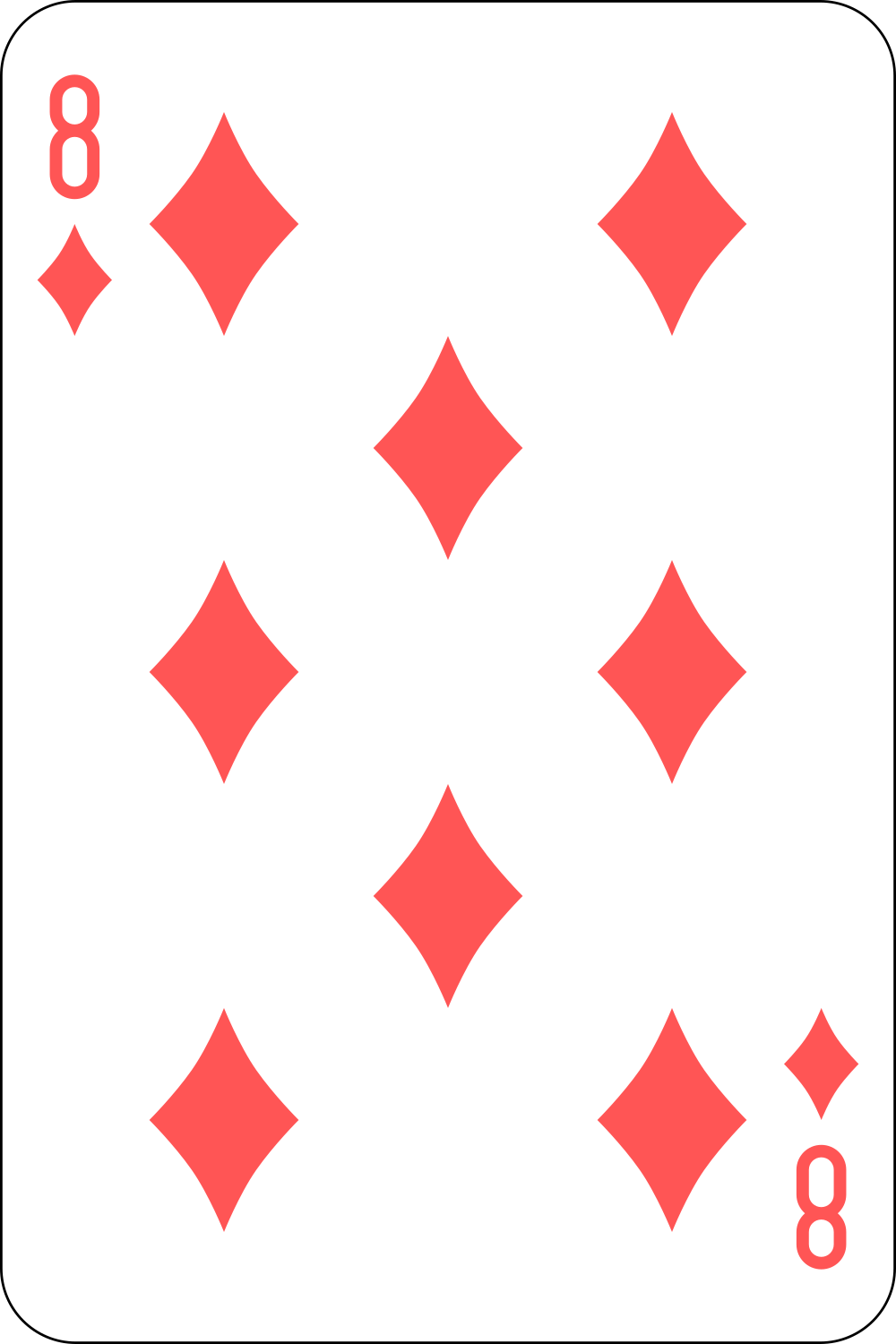
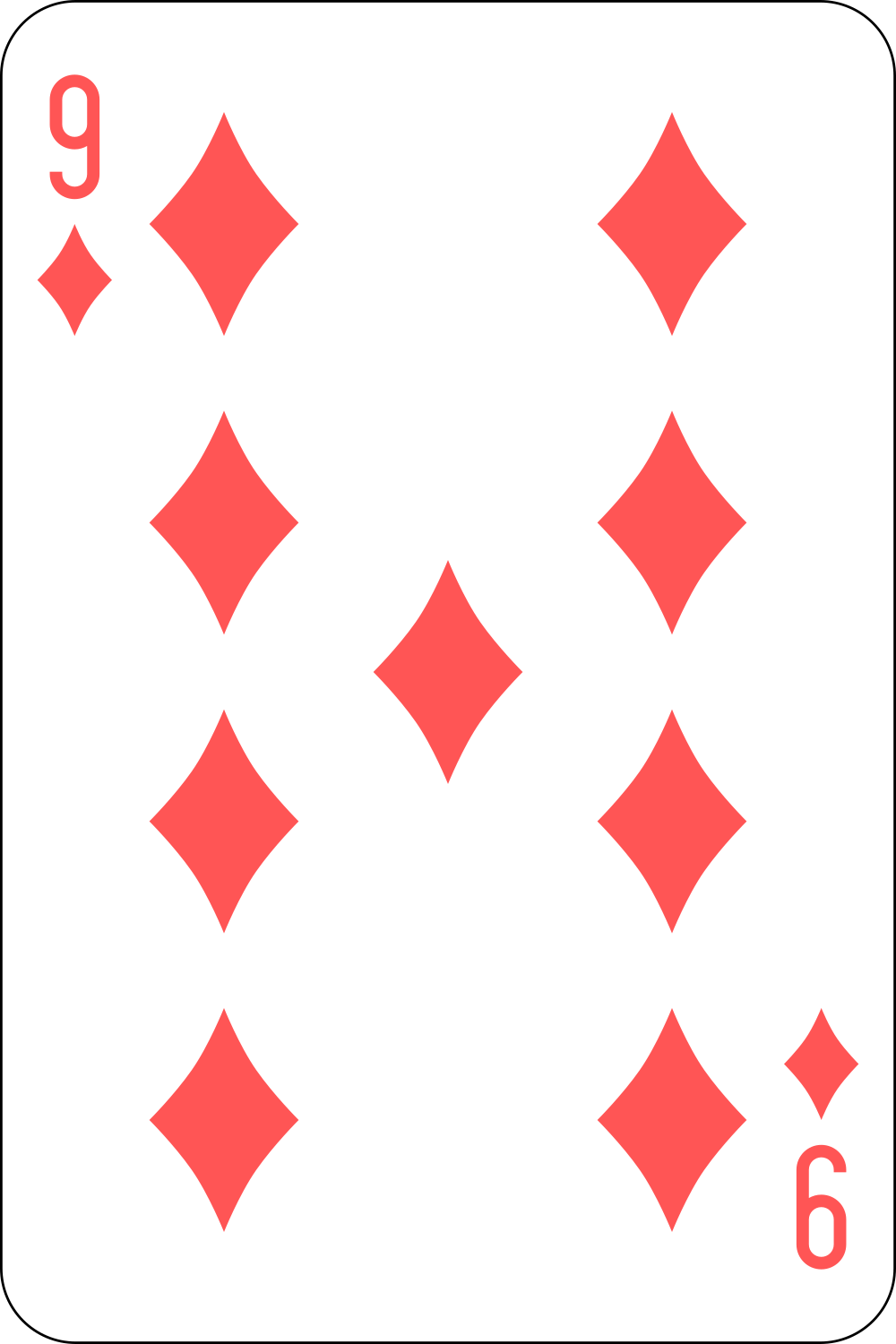
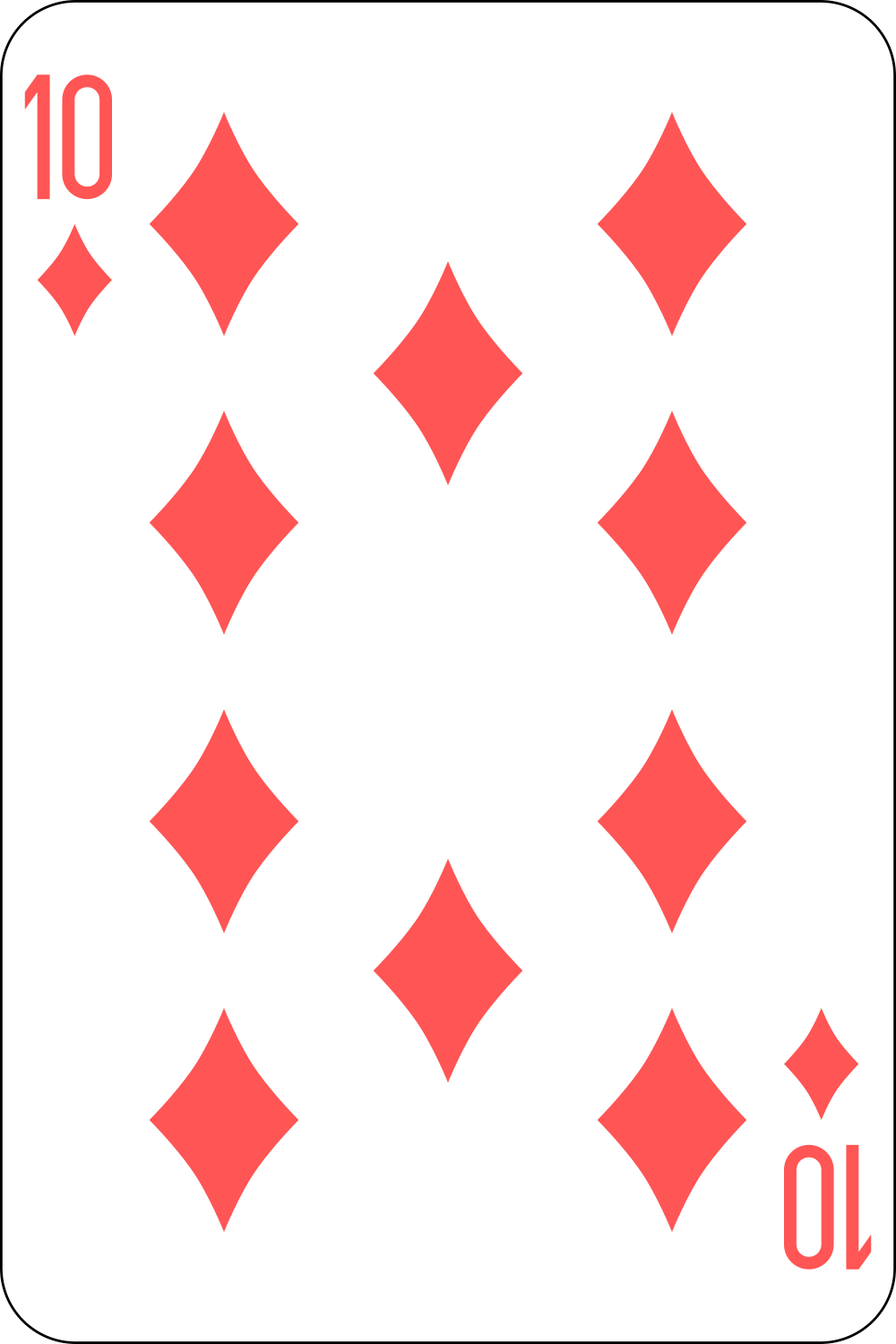
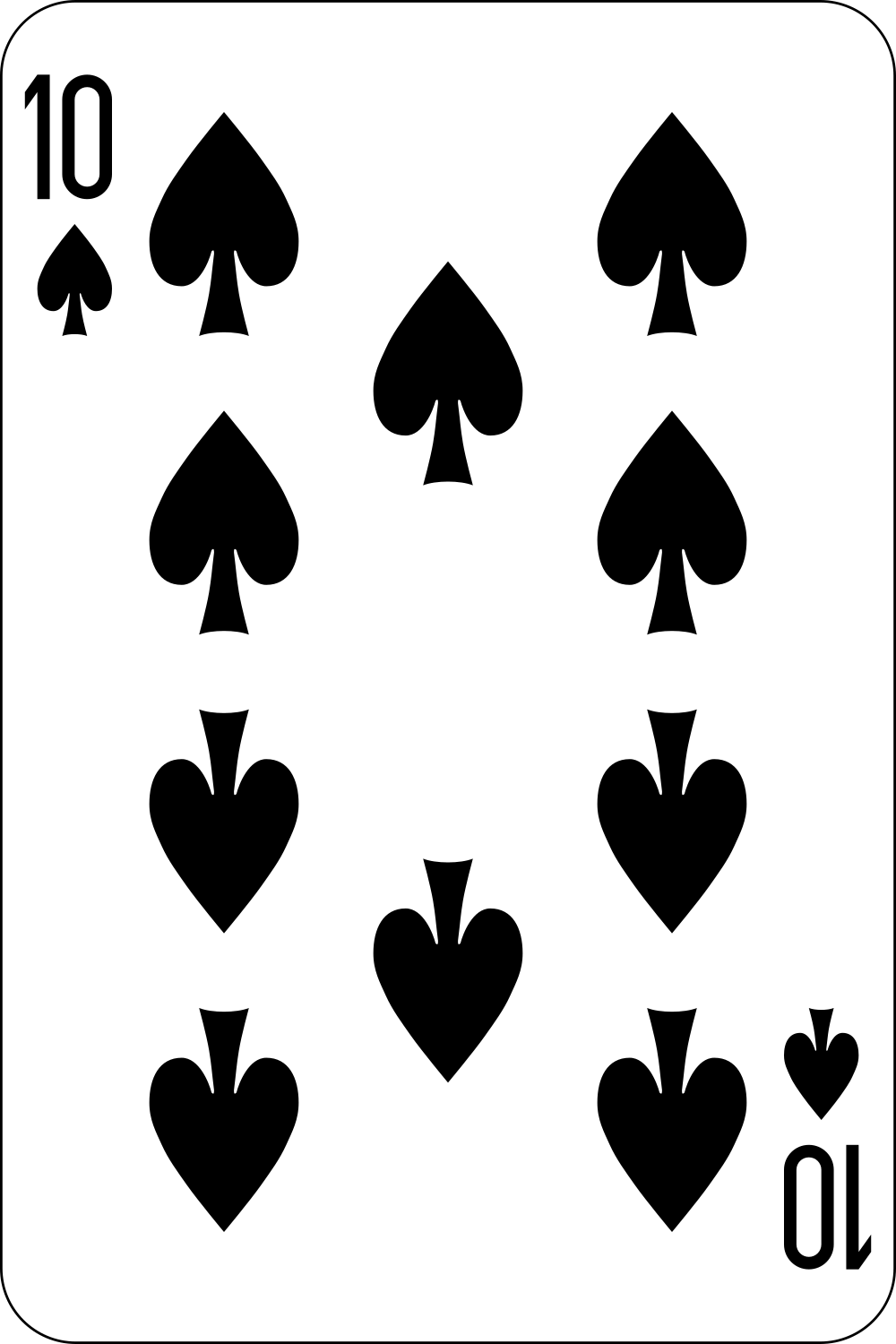
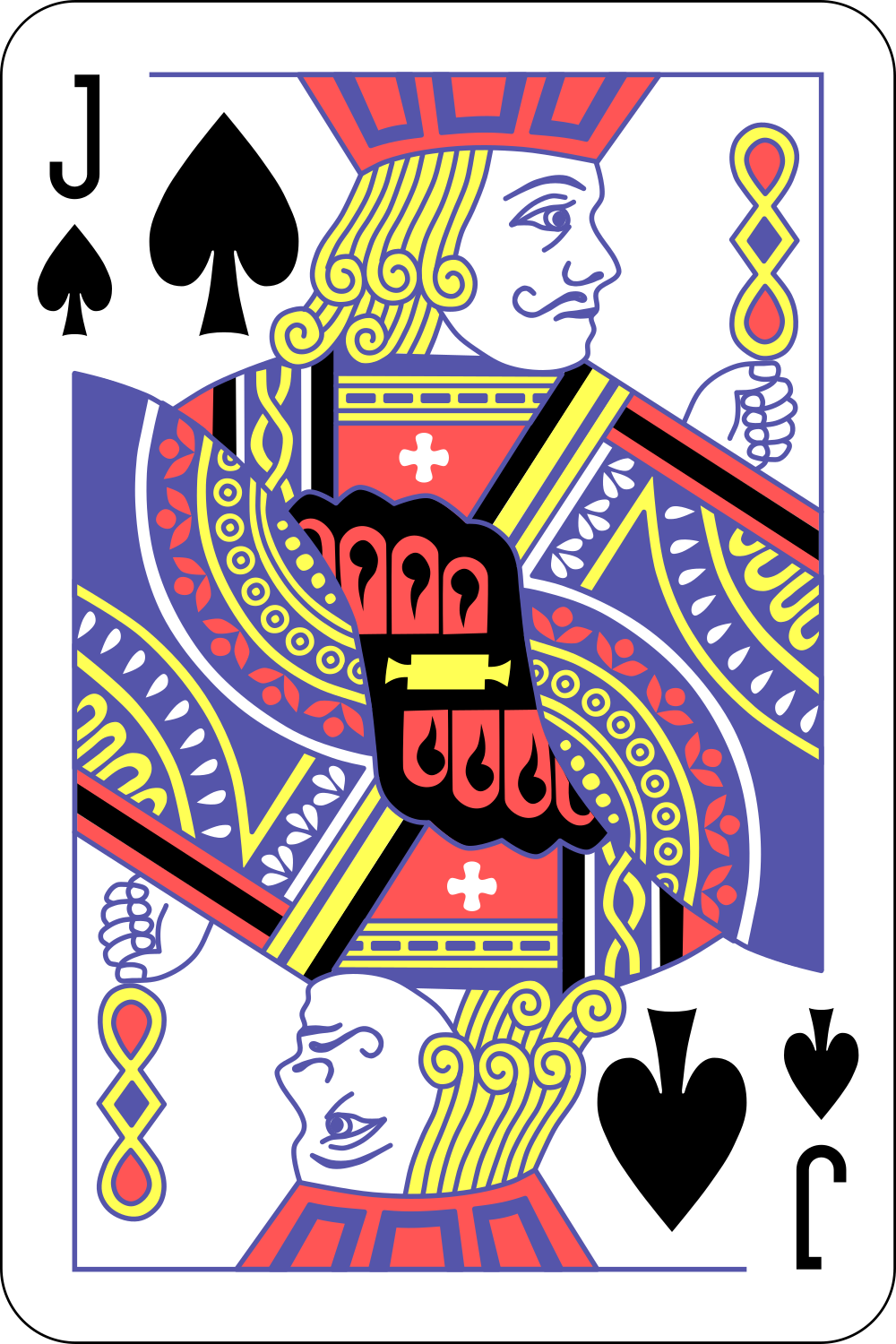
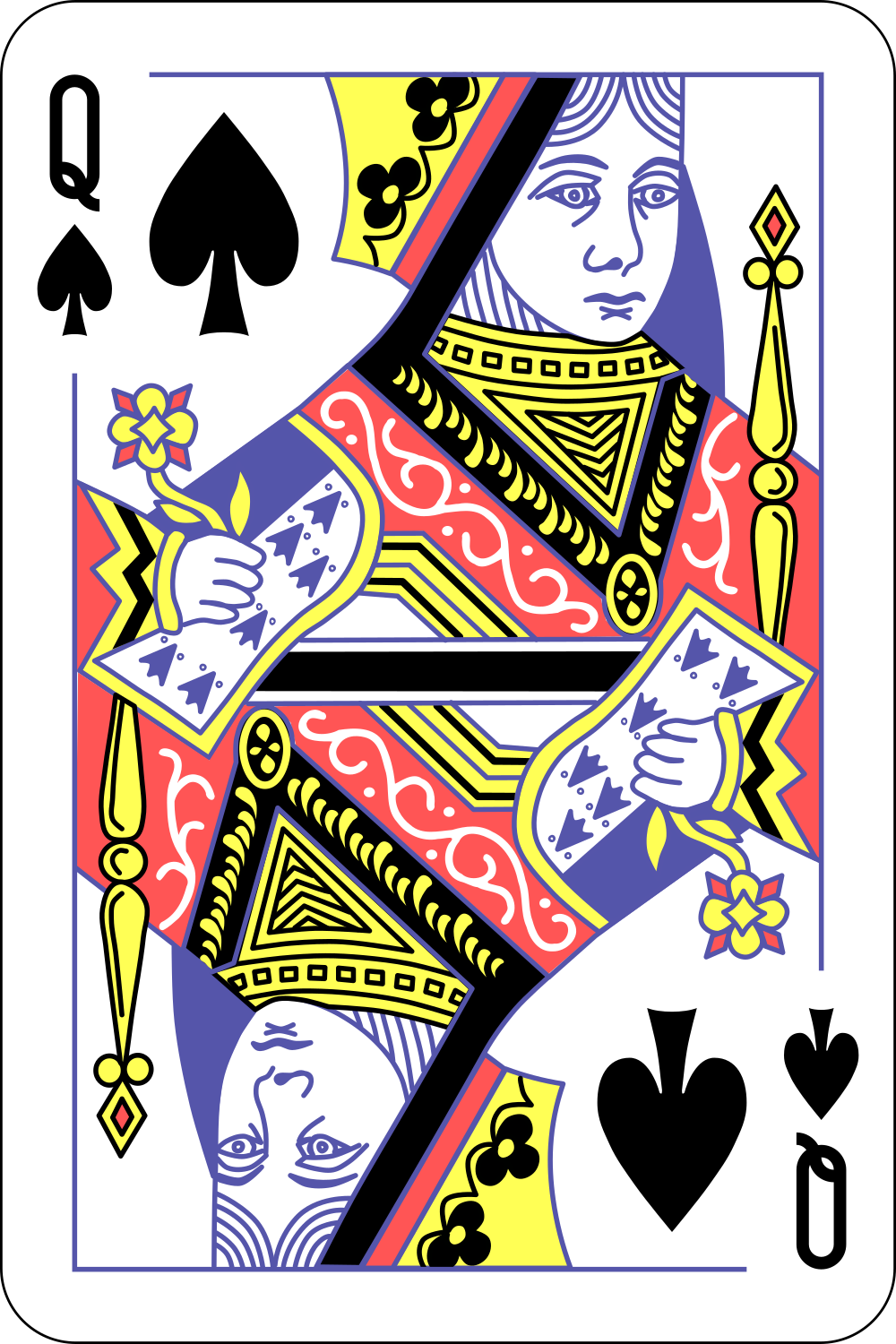
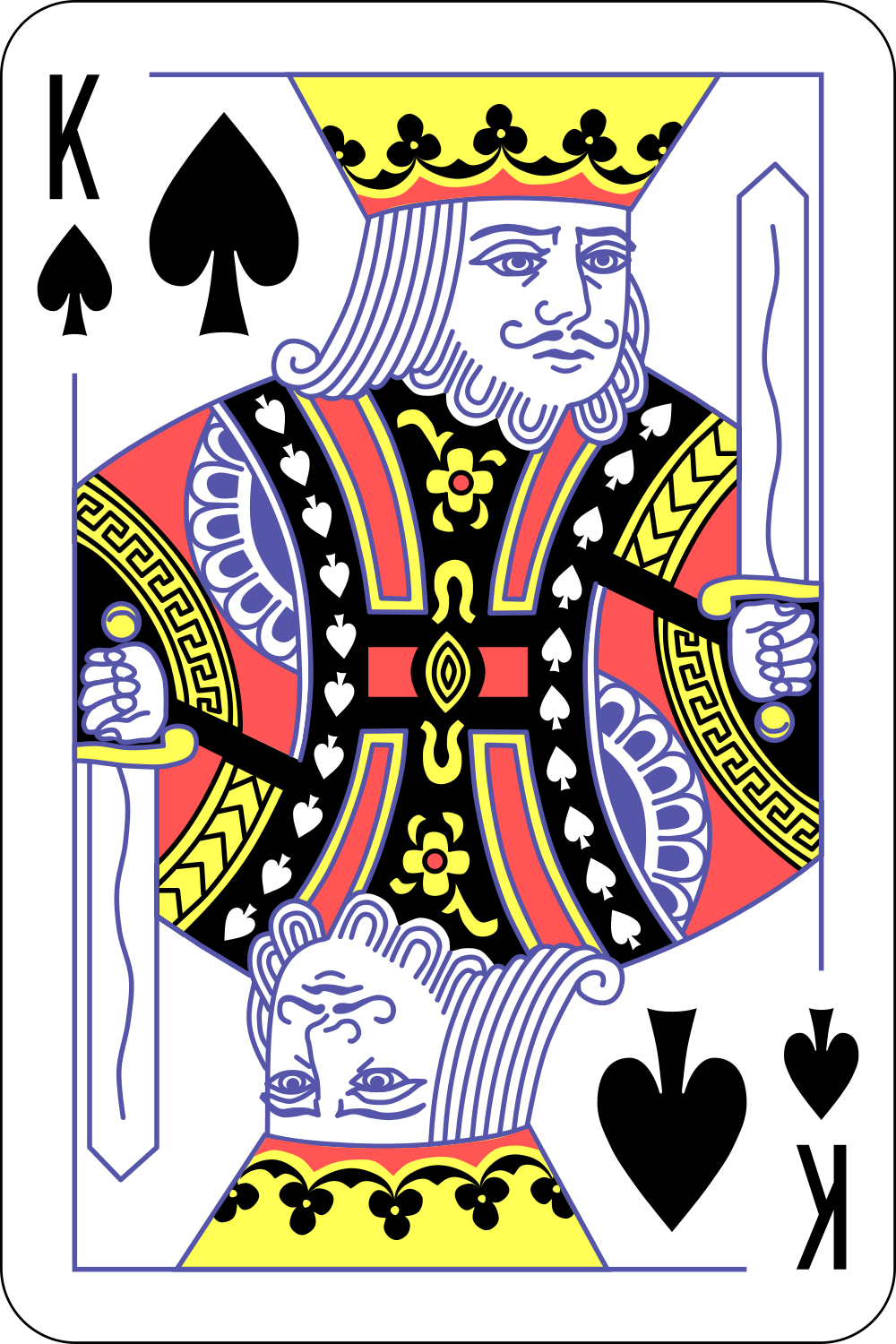
Two layers: birth card and ruling card
Most people have two key cards — the birth card and a planetary ruling card that colors how it expresses. We break down the difference in birth card vs ruling card, and the second layer gets its own explainer at planetary ruling card.
Which layer am I reading?
Before you look up a meaning, check what the card actually is. A birth card is lifelong. A ruling card colors how it expresses. A card in a yearly period only describes a 52-day stretch. Same card, different job — so keep the label attached when you look it up.
Where the cards sit and how they move is the board: playing card spreads. To see one card read through each of the seven period filters, run it through the 52-day period meaning tool.
Why it works best on real people
The cards become useful when you apply them to actual lives: your own patterns, the people closest to you, public figures, family roles, attraction, friction, work chemistry, and the places a strength tips into excess. Nothing here is fixed fate; it is a vocabulary for seeing behavior with more precision.
How the calculation actually works
There is no chart to draw and no judgment call to make. Every card carries a fixed numeric value based on its position. A short equation on birth month and day resolves to exactly one value — that value is your card. Run it a thousand times and you get the same answer a thousand times.
Where it comes from: a dated, sourced history
Most Cardology sites tell the origin story without a single citation. Here is what the library records and the surviving books actually show. Every entry links to the source it rests on; anything that rests only on one author’s word is marked as such.
Book by book, with publisher and catalogue record: the Cardology books & decks directory.
1762 · Earliest known telling of the “deck of cards as almanac” story (Mary Bacon’s commonplace book), later printed as the Perpetual Almanack chapbooks: 52 cards, 4 suits, 13 ranks, 365 days. The arithmetic was in print 130 years before any Cardology book. [Yale, Lewis Walpole Library]
1864 · Olney H. Richmond later wrote that he was initiated in Nashville this year (self-reported; his own books are the only source). [Religion of the Stars, 1893]
1889 · Richmond opens what he calls the first modern temple of the Order of the Magi in Grand Rapids, Michigan (self-reported, reprinted from his own newspaper interviews). [same source]
1892 · Temple Lectures of the Order of the Magi printed in Chicago (270 pages); reissued in 1893 as Religion of the Stars. [Google Books]
1893 · The Mystic Test Book, or the Magic of the Cards (Temple Publishing, Chicago; copyright entered 23 January 1893). The first full statement of the 52-card solar calendar: 52 cards for 52 weeks, 13 ranks for the Sun and the 12 signs, 4 suits for the seasons, spot values summing to 364 plus the Joker. [Library of Congress, BF1878 .R5]
1896 · A Supplement adds the grand spreads, quadration, and the hour and minute cards. [archive.org]
1920 · Richmond dies on 30 March. Later editions of the Mystic Test Book appear in 1919 and 1946. [1919 edition, archive.org]
1947 · Edith L. Randall and Florence Evylinn Campbell publish Sacred Symbols of the Ancients (Tora Inc., Hollywood): the birthday chart and Life Spread layout most modern sites still use. The book credits Richmond’s text and names a surviving student of the Order as Randall’s teacher. [archive.org]
1978 · Arne Lein publishes What’s Your Card? (Meta-Card, 521 pages), calling the practice “metasymbology”. [archive.org]
1992 · Robert Lee Camp publishes The Cards of Your Destiny (Seven Thunders). Camp reports finding the system in 1988 (self-reported). [Open Library]
1997 · Camp’s trade editions Love Cards and Destiny Cards (Sourcebooks) put the name “Destiny Cards” into bookstores. [Google Books]
2014 · The International Association of Cardology is founded as an unincorporated association. [cardology.com]
2019 · CARDOLOGY is registered as a US word mark (Reg. 5703102, filed 9 August 2018) for playing cards and merchandise; owner Scene the Light Entertainment, LLC. The mark covers goods, not the practice or the word in writing. [USPTO record]
Claims you will read elsewhere that the sources do not support
- Atlantis, Egypt, and a 20,000-year-old Order of the Magi. Every version of this traces to Richmond’s own 1892–93 books, which lean on a speculative book titled Atlantis. Richmond himself quotes the Encyclopaedia Britannica that the origin of playing cards is disputed. There is no independent evidence.
- An unbroken secret order from 1864. The 1864 Nashville initiation and the 1889 “first modern temple” are Richmond’s testimony, reprinted from his own interviews with a Grand Rapids newspaper. Membership figures repeated online are uncited.
- “Cardology” was coined in 1934. Asserted by one modern site citing a 1939 copyright catalog entry for an “Astro-Cardology” booklet. We could not verify it, so we do not repeat it as fact.
- The deck-as-calendar was a hidden revelation. The arithmetic (52 cards, 4 suits, 13 ranks, 364 spots plus the Joker) was already circulating in print as the “Perpetual Almanack” card story by 1762, more than a century before Richmond.
Cardology, cardiology, cartomancy, tarot
Cardiology is the medicine of the heart; the words share four letters and nothing else. Cartomancy is reading shuffled cards for an answer, which Cardology does not do: the card is fixed by your birthday. Tarot uses a 78-card deck with a different numerology. Destiny Cards, Love Cards, and Science of the Cards are book and brand names for this same 52-card birthday system. The word “Cardology” itself is a registered US trademark (Reg. 5703102, 2019) for playing cards and merchandise; it does not cover the practice or the word in writing.
Our position: the books are documentation, the deck is the system. The calculation on this site reproduces the 1947 birthday chart exactly and is published on the methodology page so you can check it against the primary texts yourself.
What Cardology is not
It is not a random draw, not medical or financial advice, and not a costume. A card cannot tell you what will happen on Tuesday. What it can do is name a recurring pattern with enough precision that you start seeing it in behavior. Card Blueprints frames the whole practice as self-awareness and entertainment — tendencies, not fate. It is also not a separate system from Cards of Destiny — that is the same birthday-to-card map under the name Robert Camp’s books made popular.
For a side-by-side with tarot language, see cartomancy vs tarot. For 52-card astrology framing, see 52-card astrology explained.
How people actually use it
Birth card as baseline. Other people’s cards for comparison. Compatibility between two birthdays. Timing cards for the chapter you are in. When you want the pattern written out, start with the $13 One Question Reading— one question, read from your card, this year's cards, and the card you owe.
Cardology FAQ
What is Cardology?
Cardology is a deterministic system that maps a birthday to one card in a standard 52-card playing deck and uses that card as pattern language for personality, relationships, timing, and recurring dynamics. Same birthday always yields the same card.
What is the meaning of cardology?
Cardology means reading a standard 52-card playing deck as a calendar: 52 cards for 52 weeks, four suits for four seasons, 13 ranks for the 13 weeks in each season, and 12 court cards for 12 months. Your birthday lands on one of those cards, and that card is read as pattern language for personality, relationships, and timing.
What is my cardology card?
Your cardology card is the single playing card fixed to your month and day — no birth time needed, unlike an astrology chart. Enter your birthday in the free calculator on this page to see it, along with your planetary ruling card.
How is cartomancy different from tarot?
Cartomancy reads a 52-card playing deck; tarot reads a 78-card deck with 22 Major Arcana that playing cards do not have. Cardology is narrower than either: it is not a shuffled draw at all — your birthday fixes one card for life, and the same birthday always returns the same card.
Is Cardology the same as cardiology?
No. Cardiology is heart medicine. Cardology is a birthday-to-playing-card map (52-card deck, not tarot). Same birthday always yields the same card. Free lookup: the birth card calculator on this site.
How does Cardology work?
Month and day feed a fixed formula that resolves to one of 52 cards, with December 31 as the Joker boundary. February 29 maps normally to the 9 of Clubs. From there you read suit (life domain), rank (movement), ruling card (expression style), and optional timing or compatibility layers.
What is my birth card in Cardology?
Your Cardology birth card is the playing card locked to your birthday. Use the free calculator on this page — enter month, day, and year — to see the birth card and planetary ruling card instantly.
What is a birth card?
A birth card is the one playing card assigned to a birthday. In Cardology that assignment is fixed: same date, same card. It is not a tarot birth-card pair and not a government birth-registration card. Full meanings live on the 52 birth-card index.
Can I get a free Cardology reading?
Yes. Enter a birthday in the free calculator on this page. It returns the fixed birth card and planetary ruling card, then links to the full card meaning for personality, love, money, advice, shadow, and birth dates. No email or random card draw is required.
What are the benefits of Cardology?
It gives a checkable vocabulary for default patterns, relationship friction and attraction, and the “chapter” you are in. Because the math is fixed, two people can verify the same birthday produces the same card. It is for self-awareness and entertainment, not medical, legal, or fate claims.
Is Cardology the same as astrology?
Related but different. Astrology reads planetary positions at birth. Cardology maps birthday to a playing card through deck-and-calendar structure. No chart drawing and nothing random.
How is Cardology different from tarot?
Tarot uses 78 cards including Major Arcana and is often shuffled for a reading. Cardology uses 52 playing cards and locks the birth card to the birthday. Spreads can still be shuffled in cartomancy; birth-card Cardology does not need a shuffle.
Does Cardology predict the future?
No. Timing language describes pressure, focus, and chapter themes — not guaranteed events. The stronger use is recognizing patterns you can test in real life.
Is Cardology accurate?
The mapping is exact: the same birthday always produces the same card, and anyone can verify the calculation. The interpretations are pattern language for self-reflection, not empirically validated prediction. Treat a card as a precise mirror to test against real behavior, not as proof about your future.
What are Cardology card meanings?
Each of the 52 playing cards carries a meaning built from its suit (life domain: hearts, diamonds, clubs, spades) and rank (the movement inside that domain). Card Blueprints publishes a full meaning page for every card, indexed in the card meanings section above.
Where does Cardology come from?
The 52-card solar calendar was first set out in full in Olney H. Richmond’s The Mystic Test Book (Chicago, 1893, Library of Congress BF1878 .R5). Edith Randall and Florence Campbell’s Sacred Symbols of the Ancients (1947) published the birthday chart most sites still use; Arne Lein (1978) and Robert Lee Camp (1992 onward) carried it into modern print. The deck-as-calendar arithmetic itself was in print by 1762. The full dated timeline with sources is on this page.
Free four-part video course
Learn to read your birth card in 14 minutes
Find your card, combine rank and suit, spot balanced and shadow states, and turn the pattern into a practical reflection.
Four short modules · Free with your name and email